Introduction:
Love speaks through many languages, yet none captures its essence quite like poetry. For centuries, romantic poetry has served as humanity’s most elegant vessel for expressing the inexpressible. When words fail in ordinary conversation, verses step in to articulate what the heart feels but the tongue cannot say. The poetry of love transcends cultural boundaries and temporal limitations, connecting souls across continents and generations. From ancient Persian ghazals to modern Instagram verses, love poems continue to move us in profound ways.
This journey explores how different cultures, languages, and eras have celebrated love through carefully crafted words. You’ll discover famous poets who mastered the art, learn about various styles, and perhaps find inspiration to pen your own heartfelt expressions. Whether you’re seeking the perfect verse for your partner or simply want to understand why love poetry endures, this comprehensive guide offers something valuable. The beauty lies not just in reading these verses but in feeling the passionate emotions they evoke within your own chest.
Poetry of Love – Understanding Its Timeless Appeal
The poetry of love resonates because it validates our deepest feelings. When you read a verse that perfectly captures your experience, you feel less alone. This connection happens across centuries and cultures, proving that human emotions remain fundamentally unchanged despite technological progress. Romantic verses give voice to the silent yearnings we carry, the midnight thoughts we cannot share, and the overwhelming joy that fills us when we’re with someone special.

Love poetry differs from other literary forms through its intimate directness. Unlike novels that build stories or essays that argue points, passionate emotions flow immediately from heart to page. Each word carries weight because space is limited and every syllable matters. The compression of feeling into concise heartfelt expressions creates intensity you won’t find elsewhere. Metaphors bloom naturally when describing love’s complexities, turning ordinary experiences into transcendent moments.
Poetry of Love in Urdu – A Rich Cultural Tradition
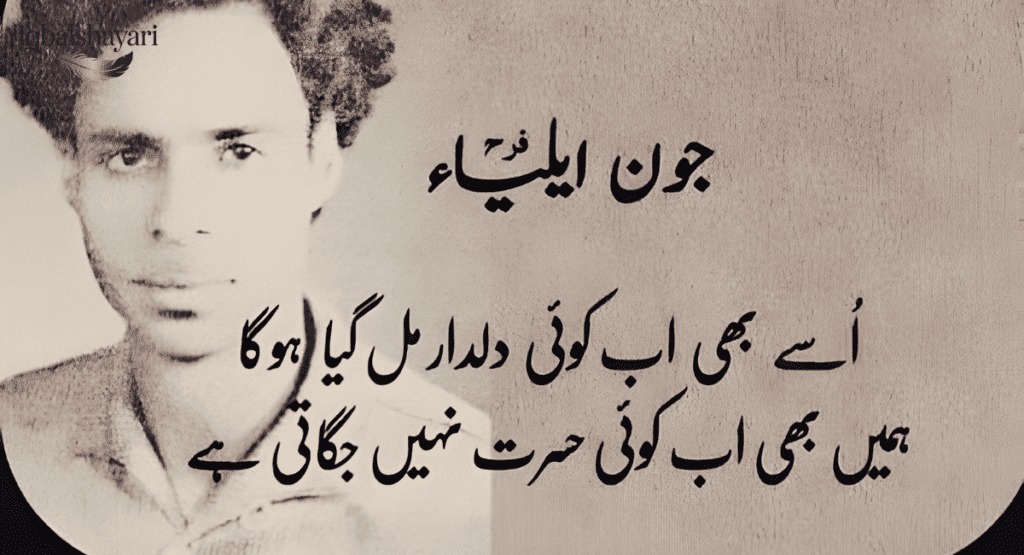
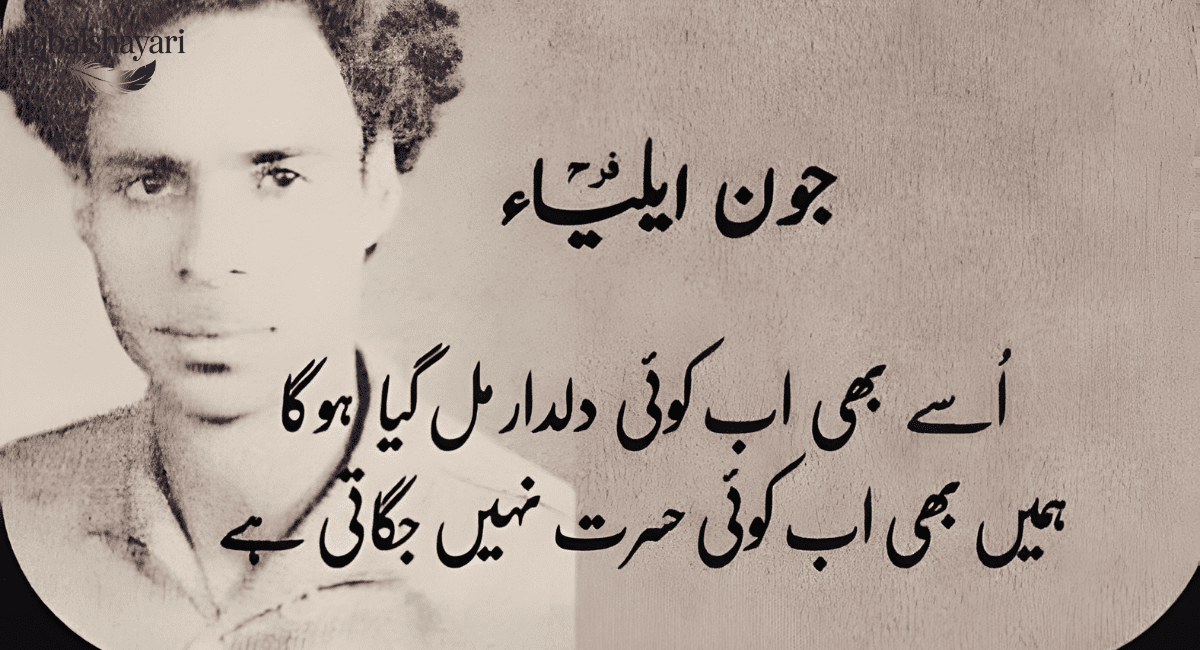
Urdu poetry holds a special place in the world’s romantic literature. The language itself seems designed for expressing love’s nuances, with its flowing script and melodious pronunciation. Ghazals and Urdu couplets have captivated audiences for hundreds of years, creating a tradition where even common people can recite verses from memory. Faiz Ahmed Faiz once wrote about separation’s pain in ways that still make hearts ache today. Mirza Ghalib’s wit combined with profound emotion created a template that countless poets still follow.

The unique characteristics of Urdu love poetry include its acceptance of pain alongside joy. Unlike Western traditions that often emphasize happy endings, shayari embraces the bittersweet reality of love. Poets write about unrequited affection, painful separations, and longing with the same passion they dedicate to union and joy. These classical verses recognize that love encompasses the full spectrum of human experience, not just its pleasant aspects.
Famous Urdu Poets Who Mastered Love Poetry
Mirza Ghalib remains unmatched in his ability to blend philosophy with passion. His verses questioned destiny while celebrating beauty, creating layers of meaning that scholars still unpack today. Ahmad Faraz brought modern sensibility to traditional forms, speaking to contemporary lovers while respecting classical structures. These legendary poets didn’t just write about love; they lived it intensely, and their timeless compositions reflect genuine experiences rather than mere literary exercises.
Poetry of Love in English – From Shakespeare to Modern Times
English love sonnets evolved dramatically over the centuries. Shakespeare established templates that poets both followed and rebelled against for generations. His Sonnet 18 asking “Shall I compare thee to a summer’s day?” set standards for Victorian romance that dominated for hundreds of years. The structured 14-line format provided both constraint and freedom, forcing poets to distill emotions into precise measures. Contemporary poetry has loosened these rules while maintaining the emotional core.
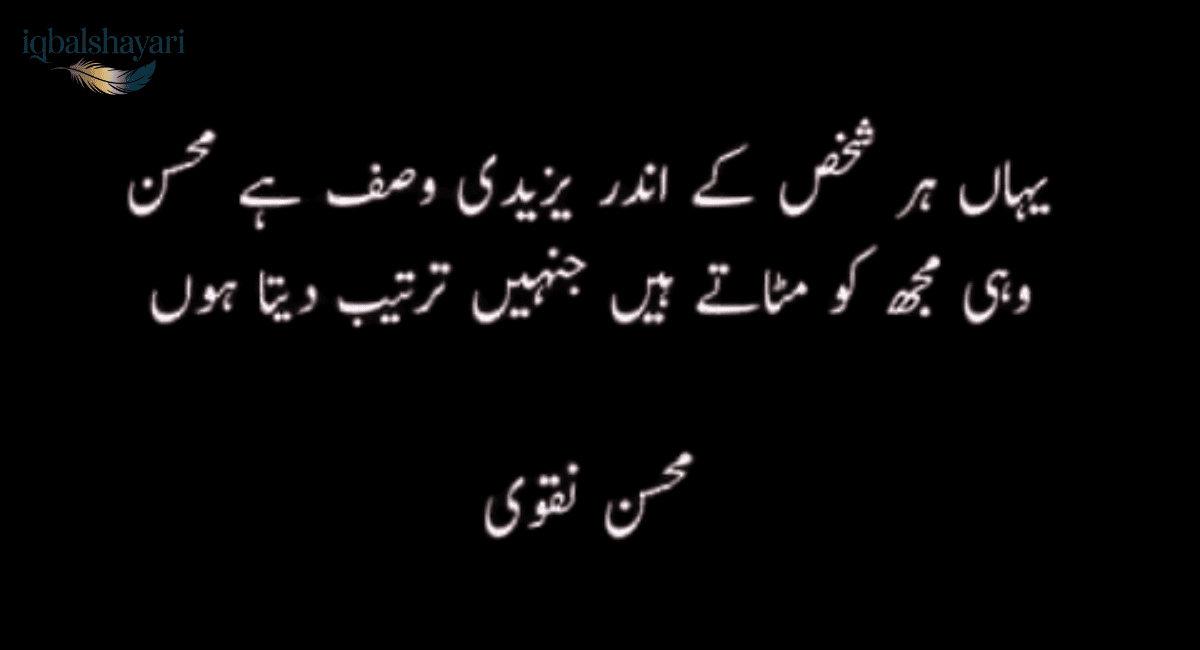
Modern English poets reshaping the poetry of love include voices from diverse backgrounds bringing fresh perspectives. Rupi Kaur’s minimalist style resonates with younger generations who prefer directness over ornate language. Her modern expressions strip away pretense, presenting love in raw, accessible terms. Free verse romance allows poets to follow emotion’s natural rhythms rather than conforming to predetermined patterns, creating a more conversational yet equally powerful impact.
Classic English Love Poets You Should Know
Elizabeth Barrett Browning asked “How do I love thee?” and proceeded to count the ways in verses that still appear in wedding ceremonies today. Lord Byron’s passionate nature infused every line he wrote, making readers feel they were glimpsing genuine emotion rather than crafted art. Pablo Neruda, though writing in Spanish, influenced English poetry profoundly through translations that captured his sensual imagery. These iconic writers created beloved verses that transcend their original contexts, speaking to universal experiences every generation recognizes.
Romantic Poetry of Love – Igniting Passion Through Words
What defines truly romantic poetry extends beyond subject matter to approach and intensity. The best romantic verses don’t just describe love; they recreate the sensation of falling, the breathlessness of desire, the ache of separation. Passionate declarations work when they balance specificity with universality, offering details unique to the poet’s experience while touching emotions everyone understands. Intimate verses invite readers into private moments, creating a sense of witnessing something precious and real.

The difference between love poetry and romantic poetry lies in temperature and intention. Love poems can be contemplative, philosophical, even melancholy. Romantic poetry specifically aims to ignite feeling, to make the heart race and palms sweat. Sensual imagery plays a crucial role here, engaging physical senses to create visceral responses. Emotional intensity must feel genuine rather than manufactured, which requires poets to tap into authentic experiences rather than merely following conventions.
Table: Elements of Romantic Poetry
| Element | Purpose | Example |
| Sensual Imagery | Engages physical senses | “Your touch like summer rain” |
| Metaphor | Conveys complex emotions | “Love is a journey” |
| Direct Address | Creates intimacy | “You are my everything” |
| Rhythm | Mimics heartbeat/breathing | Iambic pentameter |
| Specific Details | Grounds abstraction | “Your green eyes at midnight” |
Poetry of Love for Him – Speaking to His Heart
Crafting love poems for boyfriends or husbands requires understanding what resonates with masculine sensibilities. While generalizations prove dangerous, many men appreciate directness combined with genuine emotion. Masculine appreciation doesn’t mean avoiding sentiment but rather presenting it without excessive ornamentation. Devotion verses that acknowledge strength while celebrating vulnerability often strike the right chord, making him feel seen in all his complexity.
Themes that resonate include partnership, admiration, physical attraction, and future dreams. Men want to know they’re valued not just for what they provide but for who they are. Heartfelt tributes that highlight specific qualities, memorable moments, or inside jokes carry more weight than generic declarations. Romantic gestures through poetry work best when they feel personal rather than copied from greeting cards, showing genuine thought and effort went into their creation.
Writing Your Own Love Poem for Him
Start with specific memories that capture your relationship’s essence. Did he make you laugh during a difficult moment? Does he have a particular gesture that melts your heart? Authentic expression beats polished perfection every time because sincerity shines through imperfect verse. Your personal touch transforms simple words into treasured keepsakes he’ll remember far longer than professionally written verses. Skip the pressure to rhyme perfectly or match established poets; focus instead on honest communication.
Poetry of Love for Girlfriend – Winning Her Heart
Creating romantic verses for girlfriends involves balancing passion with respect, desire with admiration. Women often appreciate poetry that sees beyond surface beauty to acknowledge intellect, humor, and spirit. Sweet expressions work wonderfully but should never feel patronizing or reductive. Tender words that recognize her as a complete person rather than merely an object of affection demonstrate maturity and genuine love.
What women appreciate in love poetry includes thoughtfulness and attention to detail. Notice what she loves, what makes her unique, and weave those observations into your verses. Genuine feelings expressed awkwardly outweigh polished lines lacking substance. Heartfelt messages don’t require perfect meter or sophisticated vocabulary; they simply need honesty and care. Avoid clichés by drawing from your actual relationship rather than general romance tropes.
Poetry of Love for Her – Celebrating Feminine Beauty
Traditional and modern approaches to poetry for women offer different strengths worth considering. Classical verses often elevated women to goddess status, celebrating beauty in idealized terms. Contemporary poetry tends toward equality and partnership, acknowledging humanity alongside admiration. Feminine grace deserves celebration without reducing women to passive objects. Adoration verses work best when they respect her agency and recognize her as an equal partner in love’s dance.
Moving beyond physical descriptions enriches poetry substantially. While attraction certainly matters, verses that explore her mind, her dreams, her fears, and her strengths create deeper connections. Inner beauty and soul connection resonate more powerfully over time than even the most eloquent descriptions of eyes or smiles. Celebrate what makes her uniquely herself rather than conforming to generic beauty standards.
Poetry of Love in Urdu (Repeated Focus)
The Urdu romantic traditions deserve deeper exploration given their unmatched contribution to love poetry. The language’s structure allows for wordplay impossible in English, where single words can carry multiple meanings that shift depending on context. Poetic meter in Urdu follows patterns that create musical qualities even in simple recitation. Rhythmic beauty emerges naturally from the language’s flow, making even sad verses sound melodious to trained ears.
Common themes in Urdu poetry of love include separation, longing, the beloved’s cruelty, and the lover’s devotion despite suffering. These aren’t masochistic celebrations of pain but realistic acknowledgments that love involves vulnerability and risk. Longing becomes almost a virtue in classical ghazals, where the journey matters more than the destination. Separation pain gets expressed through nature metaphors, comparing heartache to autumn leaves or stormy nights, creating universal imagery anyone can grasp.
Poetry of Love for Every Day of the Year
Celebrating love through daily poetic expressions transforms relationships from special occasions into continuous appreciation. Consistent affection matters more than grand gestures, and small verses shared regularly remind your partner they occupy your thoughts constantly. Everyday romance doesn’t require elaborate planning, just mindful attention to the relationship’s ongoing nature.
Creating a poetry journal or collection serves multiple purposes. It documents your relationship’s evolution, provides a creative outlet for processing emotions, and generates a treasure trove of memories. A romantic calendar might include verses marking anniversaries, inside jokes, or simply beautiful moments worth preserving. Your love diary becomes increasingly valuable over time, showing how feelings deepened and changed while maintaining their essential core.
Poetry of Love Quotes – Memorable Lines That Last Forever
The most famous love poetry quotes endure because they crystallize complex emotions into perfectly crafted phrases. Shakespeare’s “Love looks not with the eyes, but with the mind” captures how affection transcends physical appearance. Rumi’s verses about the soul recognizing its other half speak to those seeking spiritual connection. These quotable verses become cultural touchstones, referenced in movies, songs, and everyday conversation. Memorable lines stick in our minds because they express what we’ve felt but couldn’t articulate ourselves.
Using quotes in proposals and special occasions adds weight and beauty to your declarations. However, romantic gestures work best when you combine famous verses with your own words, showing both appreciation for poetic tradition and personal investment. Meaningful messages acknowledge the original poet while making the sentiment your own through context and delivery. Attribution matters ethically and practically; knowing a quote’s source lets your partner explore the full poem if they choose.
Table: Famous Love Poetry Quotes and Their Poets
| Quote | Poet | Era |
| “I carry your heart with me” | E.E. Cummings | 20th Century |
| “How do I love thee? Let me count the ways” | Elizabeth Barrett Browning | Victorian |
| “Love is not love which alters when it alteration finds” | William Shakespeare | Renaissance |
| “Your task is not to seek for love, but merely to find barriers within yourself” | Rumi | 13th Century |
Poetry of Love in Urdu 2 Lines – The Power of Brevity
The art of two-line Urdu couplets called shers represents poetry’s most concentrated form. Concise expression challenges poets to convey complete thoughts and emotions within strict limitations. Impactful verses emerge from this constraint, where every word must earn its place. Maximum emotion in minimum words creates intensity that longer poems sometimes dilute through elaboration.
Famous two-liners from legendary poets demonstrate this form’s power. Ghalib could devastate readers with just two lines about love’s futility. Faiz could inspire hope and longing simultaneously in fourteen syllables. These memorable couplets contain wisdom distilled through years of experience and countless revisions. When brevity speaks volumes, listeners pay closer attention than they might to lengthy explanations.
Sad Poetry of Love – When Hearts Break
The healing power of melancholic love verses shouldn’t be underestimated. Heartbreak poetry provides emotional catharsis, allowing readers to process pain through another’s words. Processing loss through written word helps because it validates suffering while providing structure to chaotic feelings. You discover others have survived similar pain and emerged whole, offering hope amid despair.
Beauty exists in sadness and vulnerability when expressed honestly. Painful truth presented artfully becomes bearable, even precious. Raw emotion in poetry creates connection between writer and reader, forming temporary communities of shared suffering. Finding comfort in shared experiences reminds us that heartbreak, however personal it feels, actually unites humanity across time and culture.
Best Sad Love Poems in Urdu
Classic heartbreak verses from Urdu masters explore separation with particular poignancy. The tradition embraces sorrowful beauty rather than avoiding uncomfortable emotions. Poignant expressions acknowledge that love’s intensity means its loss cuts equally deep. Cultural acceptance of expressing pain through poetry gave poets permission to explore darkness without judgment, creating works that still resonate today.
Best Poetry of Love – Masterpieces Worth Reading
Criteria for judging exceptional love poetry include emotional authenticity, linguistic skill, originality, and lasting impact. Literary excellence combines technical mastery with genuine feeling, creating verses that work both intellectually and emotionally. Timeless quality means the poem speaks to readers decades or centuries after composition, proving its themes transcend specific historical moments.
What makes certain poems endure while others fade involves mysterious alchemy of craft and heart. Top must-read love poems across languages share certain qualities including specific imagery, universal emotion, and memorable phrasing. Building your poetry library should include classics and contemporaries, canonical works alongside emerging voices. Essential reading expands your understanding of love’s many expressions while potentially inspiring your own creative efforts.
Short Poetry of Love – Quick Emotional Hits
The power of brief romantic verses lies in their accessibility and immediate impact. Compact expression works perfectly for modern communication, fitting naturally into text messages, social media posts, or handwritten notes. Instant emotion doesn’t require elaborate setup; the right few words create complete experiences. Perfect for cards and texts, short poems deliver sentiment without demanding significant time investment.
Crafting meaningful short poems yourself becomes easier once you understand their mechanics. Minimalist romance strips away everything except core feeling, leaving only what matters most. Word economy forces you to choose terms carefully, considering connotation and sound as much as literal meaning. Less proves more in love when you focus on quality over quantity, precision over elaboration.
Deep Poetry of Love – Exploring Profound Connections
What constitutes philosophical love poetry extends beyond surface attraction to examine love’s nature and meaning. Existential romance asks big questions about human connection, mortality, and consciousness. Spiritual connection poetry explores how love transcends physical reality, suggesting it reveals deeper truths about existence itself. Beyond surface-level attraction, these verses grapple with why we love and what that means.
Poets who explore love’s deeper meanings include metaphysical writers who treated romance as gateway to understanding divine or cosmic forces. Rumi saw human love as preparation for divine union. Rilke examined how loving another person challenges and transforms us. These explorations of intellectual intimacy and soul bonding recognize that profound relationships change who we are at fundamental levels.
How to Write Your Own Poetry of Love
Getting started with personal love poetry requires courage more than skill. Creative expression through your authentic voice matters more than technical perfection. Overcoming fear of writing involves accepting that first drafts always disappoint and that revision transforms rough thoughts into polished gems. Your unique perspective and relationship provide material no professional poet can access, making your verses potentially more meaningful to your partner than famous works.
Practical tips include writing regularly, reading widely, and avoiding clichés. Poetic devices like metaphor and imagery help express abstract feelings concretely. Imagery creation engages senses, making readers experience rather than simply understand your emotions. Finding your unique style happens gradually through experimentation and honest self-expression rather than copying established poets.
Common Mistakes to Avoid
Clichés and overused phrases plague amateur love poetry. Roses are red, violets are blue has been done to death. Original expression requires looking beyond conventional symbols to find fresh comparisons. Fresh perspective comes from your specific relationship and observations rather than generic romantic scenarios. Keeping it genuine and personal means accepting vulnerability, sharing real feelings rather than what you think you should say.
Conclusion
The poetry of love transcends time and culture precisely because love itself remains humanity’s most universal experience. From Urdu ghazals to English sonnets, from classical masters to modern Instapoets, verses about love continue evolving while maintaining core truths. Exploring different styles enriches your understanding of both poetry and love itself, revealing how various cultures and eras approached the same fundamental emotions. Reading great love poetry inspires and comforts while potentially improving your own relationships through better emotional articulation.
Whether you choose to read established poets or write your own verses, engaging with romantic poetry keeps romance alive in increasingly busy lives. The act of reading or writing love poetry forces you to slow down and focus on feeling, counteracting modern life’s frenetic pace. Share these verses with your partner, discuss them with friends, or keep them private as personal treasures. Love poetry’s beauty lies not just in words themselves but in connections they forge between hearts across distance and time. Let these timeless verses inspire you to express your own deepest emotions, contributing your voice to humanity’s ongoing conversation about love’s mysteries and meanings.
Frequently Asked Questions About Poetry of Love
1. What makes love poetry different from other types of poetry?
Love poetry focuses specifically on romantic emotions, relationships, and human connections. Unlike nature poetry or social commentary, love verses explore feelings like passion, longing, heartbreak, and devotion. The language tends to be more intimate and personal, often addressing a beloved directly. Love poetry also uses sensual imagery and metaphors that capture the physical and emotional aspects of romantic relationships. This specialized focus makes it universally relatable since almost everyone experiences love at some point in their lives.
2. Can I write good love poetry even if I’m not an experienced writer?
Absolutely! The best love poetry comes from genuine emotion rather than technical skill. Your authentic feelings matter more than perfect rhyme schemes or sophisticated vocabulary. Start by writing honestly about specific moments, memories, or qualities you love about your partner. Don’t worry about sounding like Shakespeare or Rumi. Your unique voice and personal experiences create poetry that resonates because it’s real. Practice improves your craft over time, but sincerity makes your verses meaningful from the very first attempt.
3. How long should a love poem be?
Love poems can be any length that suits your purpose. Two-line couplets pack powerful emotion into minimal space, perfect for text messages or social media. Sonnets traditionally contain 14 lines and follow specific structures. Longer poems allow you to explore complex feelings and tell complete stories. Choose length based on what you want to express and where you’ll share it. Short poems work wonderfully for quick romantic gestures, while longer verses suit special occasions like anniversaries or proposals.
4. What’s the difference between Urdu and English love poetry?
Urdu love poetry embraces both joy and suffering as natural parts of romance. The language allows wordplay and multiple meanings that create layers of interpretation. Classical Urdu forms like ghazals follow strict patterns but express deep emotions. English love poetry has evolved from structured sonnets to free verse, offering more flexibility in form. English verses often emphasize happy love and union, while Urdu tradition accepts longing and separation as poetic subjects. Both traditions offer beautiful expressions, just through different cultural lenses and linguistic possibilities.
5. How do I avoid clichés when writing love poetry?
Focus on specific details unique to your relationship rather than generic romantic symbols. Instead of “roses are red,” describe the exact way your partner laughs or a memorable moment you shared. Use fresh metaphors drawn from your own experiences and observations. Avoid overused phrases like “you complete me” or “love at first sight.” Write about concrete sensory details—what you see, hear, smell, touch, or taste when you’re together. Originality comes from honest observation and personal truth, not from trying to sound poetic.
6. Are there famous female love poets I should know about?
Many brilliant female poets have written exceptional love poetry throughout history. Sappho from ancient Greece pioneered lyric love poetry. Remains one of the most quoted love poems ever. Emily Dickinson explored love’s complexities with unique intensity. Modern poets like Maya Angelou, Rupi Kaur, and Audre Lorde bring diverse perspectives to romantic verse. These women wrote about love from positions of strength, vulnerability, desire, and independence, expanding what love poetry can express beyond traditional male-dominated narratives.
7. Can love poetry help improve my relationship?
Yes, sharing poetry can strengthen emotional bonds significantly. Writing verses for your partner shows thoughtfulness and effort, demonstrating that you invest time thinking about them. Reading love poetry together opens conversations about feelings that might be difficult to discuss otherwise. Poetry provides vocabulary for emotions you might struggle to express in ordinary conversation. The act of creating or sharing verses creates intimate moments and shared experiences. Many couples find that incorporating poetry into their relationship adds romance and deepens their emotional connection over time.
8. What are the most romantic love poems ever written?
This varies by personal taste, but certain poems consistently appear on “most romantic” lists. Shakespeare’s Sonnet 18 (“Shall I compare thee to a summer’s day?”) remains iconic. Cummings’ “[i carry your heart with me(i carry it in]” captures intimate connection perfectly. Pablo Neruda’s passionate verses celebrate sensual love. Rumi’s spiritual love poetry transcends physical romance. The “most romantic” poem for you depends on which verses resonate with your own experiences and feelings about love.
9. How can I use love poetry in a marriage proposal?
Incorporate poetry into your proposal by reading a meaningful verse before or after asking the question. Choose a poem that reflects your relationship’s journey or your feelings about your partner. You might write your own short poem specifically for the occasion, making it deeply personal. Some people include favorite verses in the proposal setting—written on signs, engraved on rings, or printed in special locations. Alternatively, reference a poem you’ve shared throughout your relationship, creating continuity. Just ensure the poetry enhances rather than overshadows your own heartfelt words.
10. Where can I find authentic Urdu love poetry with English translations?
Several reliable sources offer quality Urdu poetry translations. The Rekhta Foundation website provides extensive collections of Urdu and Hindi poetry with English translations and explanations. Poetry books by translators like Coleman Barks (for Rumi) and Naomi Shihab Nye offer excellent English versions. University press publications often include scholarly translations with cultural context. Online platforms like Poetry International and Poetry Foundation feature Urdu poets with careful translations. When reading translations, remember that some nuance inevitably gets lost, but good translators capture the essential emotion and beauty.
11. Is it okay to share famous love poems as if they’re my own feelings?
You should always credit the original poet when sharing their work. However, sharing famous poems with your partner while saying “this captures how I feel about you” is perfectly acceptable and romantic. The key is honesty about authorship while using the verse to express emotions you struggle to articulate yourself. Many people find that famous poems say exactly what’s in their hearts better than they could express independently. Combining a famous verse with your own explanation of why it resonates creates a personal, meaningful gesture without claiming false authorship.
12. What’s the best time to share love poetry with my partner?
Any time works for sharing shayri, but certain moments carry extra impact. Anniversaries and special occasions naturally invite romantic gestures. Ordinary moments become extraordinary when you surprise your partner with unexpected verses. Some couples establish poetry-sharing traditions—reading verses together before bed or exchanging poems on specific days. During difficult times, poetry can heal and reconnect. The “best” time depends on your relationship’s dynamics. Spontaneous poetry often means more than verses shared only on obligatory occasions. Follow your instincts about when your partner might appreciate romantic words.
13. How do I know if my love poem is good enough to share?
If your poem honestly expresses your feelings, it’s good enough. Your partner values sincerity over technical perfection. That said, revise your work at least once, checking for clarity and flow. Ask yourself if specific details make it personal rather than generic. Consider whether the emotion comes through clearly. Don’t compare your poem to professional works; compare it to your previous attempts and see if you’re improving. Remember that “good enough” means it authentically communicates your heart, not that it wins literary prizes.
14. Can sad love poetry be healthy to read or write?
Absolutely. Sad love poetry serves important emotional purposes. Writing heartbreak verses helps process painful feelings constructively. Reading others’ sad poems reminds you that you’re not alone in suffering. This validation and catharsis promote healing. Expressing grief, loss, or disappointment through poetry is healthier than suppressing emotions. However, balance matters—if you’re only consuming or creating sad poetry for extended periods, it might indicate you need additional support. Melancholic verses have their place in emotional processing, but they shouldn’t become your only emotional outlet indefinitely.
15. What should I do if my partner doesn’t like Shayari?
Respect their preferences while gently exploring alternatives. Some people dislike traditional Shayari but appreciate song lyrics, which function similarly. Try sharing very short verses rather than lengthy poems. Focus on poets who use conversational language instead of ornate, difficult styles. Explain why specific poems move you without forcing appreciation. Consider that they might prefer expressing love through actions rather than words. You can still enjoy poetry personally even if your partner doesn’t share the interest. Find other ways to communicate romantically that resonate with both of you. Love languages vary, and poetry isn’t everyone’s preferred method.