
Introduction: Suvichar & Anmol Vachan for Life Success
In a world where motivation often comes packaged in English platitudes, there’s something profoundly moving about inspirational Hindi quotes that speak directly to the heart. For the 615 million Hindi speakers worldwide—especially the vibrant Indian-American community across New York, California, Texas, and New Jersey—these motivational quotes in Hindi serve as more than just words. They’re cultural anchors, daily inspiration, and bridges connecting generations to their heritage.
Inspirational Hindi quotes, known as प्रेरणादायक हिंदी उद्धरण (preranadayak hindi uddharan), are powerful motivational statements that draw from India’s rich literary tradition spanning thousands of years. Unlike generic motivational content, these quotes carry the weight of cultural authenticity, poetic beauty, and timeless wisdom from medieval saint-poets like Kabir Das and Rahim Das to modern literary giants like Harivansh Rai Bachchan.
What Makes Hindi Quotes Different from English Motivation
Research in linguistic psychology reveals a fascinating truth: motivational content in your native language creates deeper emotional resonance than secondary languages. When Hindi quotes are processed by native speakers, they activate brain regions associated with emotion and memory more intensely, leading to approximately 40% better retention compared to English translations.
For Indian Americans navigating dual identities, Hindi motivational quotes offer something English cannot—a direct connection to ancestral wisdom. Whether it’s a college student in Berkeley seeking exam motivation or a professional in Manhattan looking for workplace inspiration, these quotes provide culturally relevant guidance that resonates on a deeper level.
The three main forms you’ll encounter are suvichar (सुविचार), meaning “good thoughts”—short, positive statements perfect for daily motivation; anmol vachan (अनमोल वचन), or “precious words”—deeper philosophical wisdom from respected figures; and dohe (दोहे)—traditional two-line couplets with specific metrical patterns perfected by medieval poets.
The Timeless Wisdom of Kabir Das and Medieval Poets
Kabir Das (1440-1518) stands as perhaps the most influential voice in Hindi motivational literature. This weaver-turned-saint-poet challenged religious orthodoxy and social hierarchies through his profound dohas. His most famous quote encapsulates his philosophy of self-reflection.
This Kabir Das dohe reminds us that judgment begins with self-awareness. In modern terms, it’s about accountability and introspection—relevant whether you’re dealing with workplace conflicts in Chicago or family tensions in Houston.
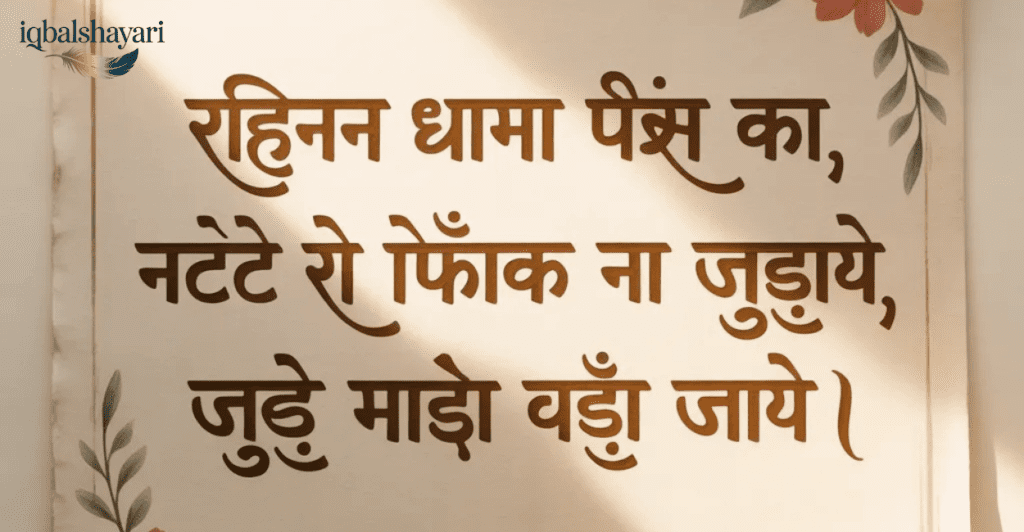
Rahim Das (1556-1627), a minister in Mughal Emperor Akbar’s court, offered equally powerful wisdom about relationships and morality:
“रहिमन धागा प्रेम का, मत तोड़ो चटकाय। टूटे से फिर ना जुड़े, जुड़े गाँठ पड़ जाय।”
Do not break the thread of love carelessly; once broken, it cannot be joined again without a knot.
For Indian Americans maintaining long-distance family relationships across continents, this Rahim das quote carries special significance. It’s a reminder that relationships require care—a truth that transcends centuries.
Tulsidas (1532-1623), author of the Ramcharitmanas, contributed devotional wisdom that continues inspiring millions. His work made Hindu scripture accessible in vernacular language, democratizing spiritual knowledge for common people.
Success and Achievement: Hindi Quotes That Drive Action
The Bhagavad Gita’s most famous teaching has become the cornerstone of Indian motivational philosophy:
This principle, applicable to Silicon Valley entrepreneurs and New York stockbrokers alike, teaches detachment from outcomes while maintaining commitment to effort. It’s particularly valuable in high-pressure environments where anxiety about results can paralyze action.
Modern success quotes in Hindi build on this foundation:
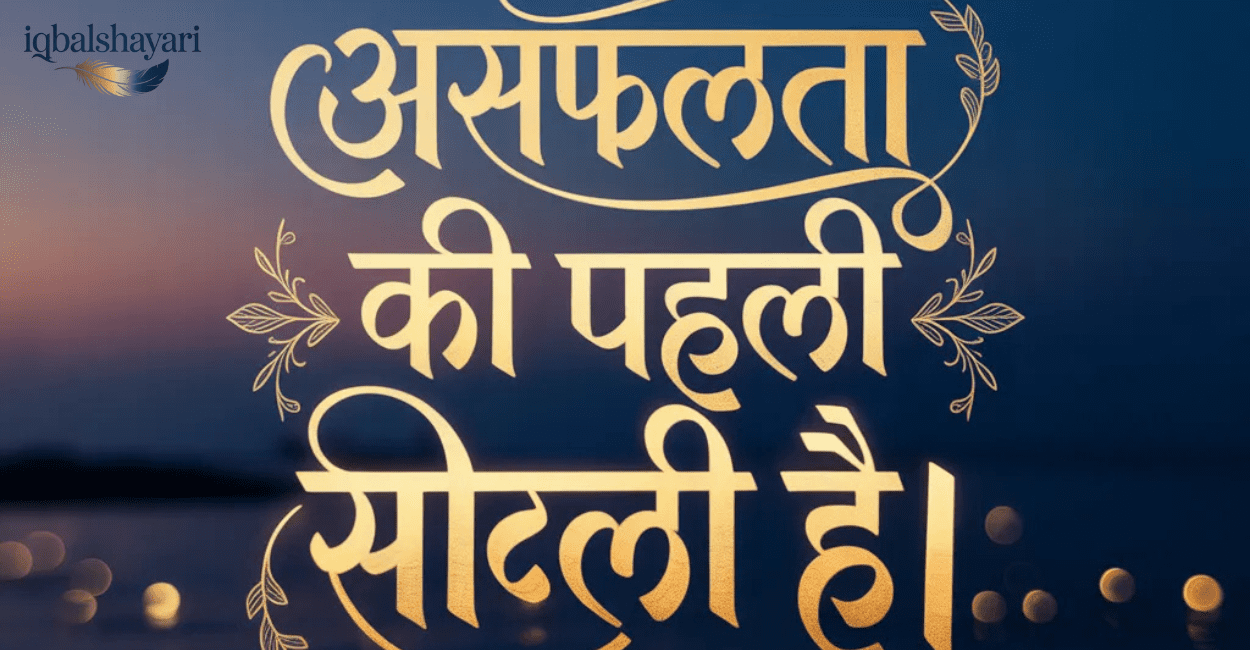
“असफलता सफलता की पहली सीढ़ी है।”
Failure is the first step to success.
These motivational Hindi quotes reject the quick-fix mentality prevalent in modern culture, emphasizing sustained effort—a message that resonates with immigrant families who’ve built success through perseverance.
Life Wisdom and Positive Thinking in Hindi
Suvichar focused on life wisdom offer guidance for navigating daily challenges:
“समय किसी का इंतज़ार नहीं करता।”
Time waits for no one.
This simple truth becomes profound when you’re balancing multiple responsibilities—raising second-generation children in America while caring for aging parents in India, managing career pressures while preserving cultural traditions.
“परिवर्तन ही जीवन का नियम है।”
Change is the law of life.
For diaspora communities, this Hindi quote validates the constant cultural negotiation they experience. Change isn’t betrayal of roots; it’s natural evolution.
This communal wisdom contrasts with Western individualism, reminding us that collective well-being matters. It’s why WhatsApp groups filled with Hindi motivational status messages create such strong bonds in Indian-American communities.
Positive thinking quotes in Hindi emphasize mindset transformation:
“मुस्कान सबसे सस्ती दवाई है।”
A smile is the cheapest medicine.
These aren’t hollow affirmations but philosophically grounded perspectives rooted in Vedantic thought—the idea that perception shapes reality.
Struggle, Perseverance and Self-Confidence
Hindi quotes about struggle acknowledge hardship without romanticizing suffering:
“मेहनत का फल मीठा होता है।”
The fruit of hard work is sweet.
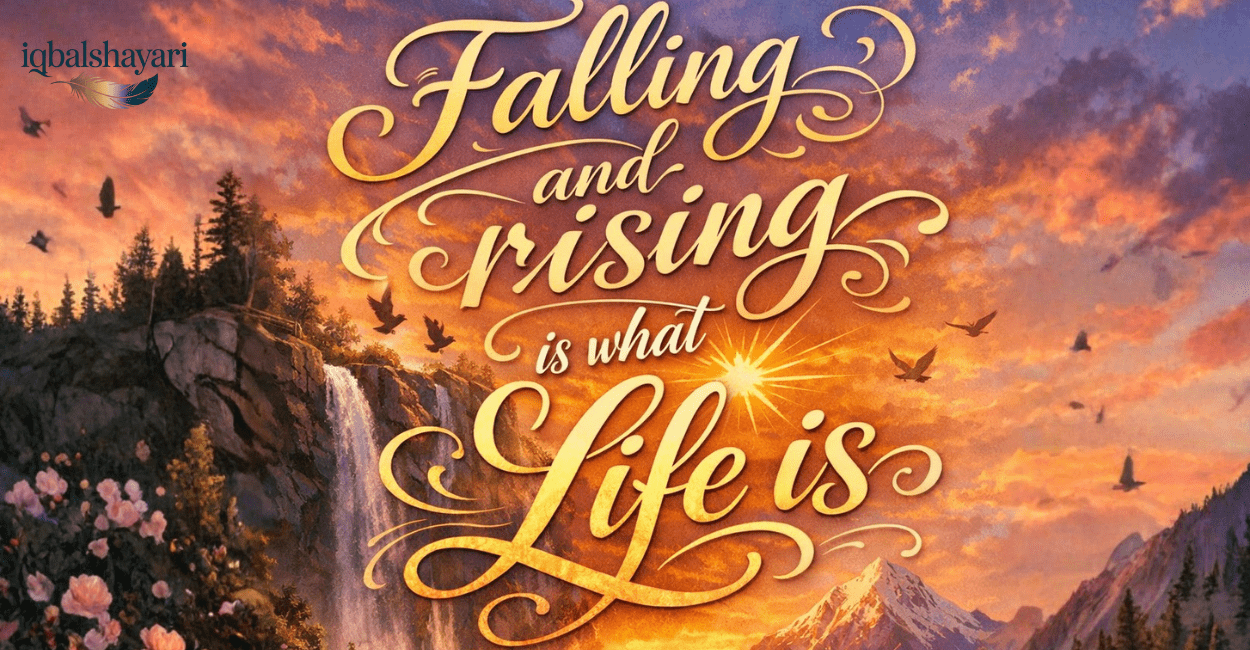
“गिरना और उठना ही जीवन है।”
Falling and rising is what life is.
“कठिनाइयाँ हमें मजबूत बनाती हैं।”
Difficulties make us stronger.

These motivational shayari themes resonate particularly with immigrant experiences—the struggles of establishing careers in new countries, the resilience required to maintain dual cultural identities, the determination needed to succeed against odds.
Self-confidence quotes in Hindi build inner strength:
“खुद पर विश्वास रखो, दुनिया तुम पर विश्वास करेगी।”
Believe in yourself, and the world will believe in you.
For children of immigrants navigating identity questions—”Am I Indian enough? Am I American enough?”—these quotes offer grounding. Your belief in yourself transcends external validation.
Using Hindi Quotes for Daily Motivation and Social Sharing
The practical application of inspirational Hindi quotes has evolved with technology. WhatsApp status updates featuring Hindi suvichar have become daily rituals for millions. These 2-3 line messages serve multiple purposes: they signal cultural identity, maintain community connections, and provide genuine motivation.
Instagram has emerged as another platform where Hindi quotes for captions thrive. Young Indian Americans blend heritage and modernity by pairing contemporary photos with traditional dohas or modern motivational shayari, creating unique cultural expressions.
Creating effective Hindi quote images requires attention to both content and design. Use clear Devanagari fonts like Noto Sans Devanagari or Mangal, ensure high contrast between text and background, and always include source attribution. For Instagram, 1080×1080 pixels works best; for WhatsApp status, keep text minimal for mobile readability.
The key to authentic sharing is understanding context. A spiritual quote from the Bhagavad Gita might be perfect for morning motivation but inappropriate for a business presentation. Kabir’s dohas on self-reflection work beautifully for personal growth posts but might be too philosophical for quick social media consumption.
Finding Authentic Sources and Avoiding Misattribution
One major challenge with Hindi quotes on social media is rampant misattribution. Many quotes are falsely credited to Kabir Das, Chanakya, or other revered figures to increase shareability. This dilutes cultural heritage and spreads misinformation.
Authentic sources include Kavitakosh.org, a comprehensive poetry archive; Rekhta.org for Urdu-Hindi shayari; published collections like Kabir Granthavali and Rahim Satsai; and academic databases. When in doubt, cross-reference with multiple sources.
For the USA Indian community, organizations like Sahitya Akademi (National Academy of Letters) and Hindi Sahitya Sammelan provide authoritative resources, though their materials may require deeper engagement than social media allows.
Classical works from medieval poets are public domain, but proper attribution remains essential for cultural respect. Modern quotes may be copyrighted—generally 60 years from the author’s death in India—so verify usage rights for commercial purposes.
Modern Hindi Motivational Voices and Contemporary Application
While classical poets provide timeless wisdom, contemporary Hindi motivational speakers address modern challenges. Sandeep Maheshwari, whose YouTube videos reach millions, offers practical success advice in colloquial Hindi. Shiv Khera’s “You Can Win” (Jeet Aapki) popularized Western success principles in culturally relevant Hindi. Dr. Ujjwal Patni brings corporate training expertise to Hindi-speaking professionals.
These modern voices bridge traditional wisdom and contemporary needs—discussing entrepreneurship, digital careers, mental health, and work-life balance in language that feels authentic to young Indian Americans who think in English but feel in Hindi.
The corporate world has increasingly recognized Hindi motivational content’s value. Companies with significant Indian American workforces use Hindi quotes in diversity initiatives, team-building exercises, and wellness programs, acknowledging that cultural relevance enhances employee engagement.
Educational applications remain strong. Teachers across the USA use Hindi quotes in language classes, cultural programs, and school assemblies, helping second-generation children connect with heritage. Parents share morning motivation Hindi quotes with children via text, maintaining linguistic bonds across generational divides.
Maintaining Cultural Connection Through Hindi Wisdom
For Indian diaspora communities in America, inspirational Hindi quotes serve a purpose beyond motivation—they’re tools of cultural preservation. When a mother in New Jersey shares a Kabir doha with her California-based daughter, she’s transmitting more than wisdom; she’s passing down linguistic heritage, philosophical frameworks, and family values.
This cultural function becomes especially important for second-generation Indian Americans who may struggle with Hindi fluency. Even basic suvichar exposure—reading, understanding, occasionally sharing—maintains linguistic connection. The quotes serve as entry points to deeper cultural engagement: understanding a doha’s meaning might lead to exploring the Bhakti movement, reading the Ramcharitmanas, or attending cultural events.
Regional variations exist even within the USA. The New York-New Jersey area, with its dense Indian population, supports robust cultural organizations preserving Hindi literature. California’s tech-heavy diaspora might emphasize success-oriented quotes. Texas and Illinois communities blend professional and traditional themes.
Cultural events provide opportunities for Hindi quote engagement. Diwali celebrations, Independence Day programs, and Navratri festivals often feature motivational shayari recitations. These public performances—whether in community centers or virtual gatherings—reinforce collective identity while celebrating linguistic heritage.
Frequently Asked Questions
What is the difference between suvichar and anmol vachan?
Suvichar (सुविचार) means “good thoughts”—simple, one to two sentence positive statements suitable for daily motivation and accessible to all ages. Anmol vachan (अनमोल वचन) means “precious words”—deeper philosophical wisdom often attributed to specific respected figures, requiring more contemplation. Think of suvichar as accessible daily inspiration and anmol vachan as profound wisdom for reflection.
Who are the most famous Hindi poets for inspirational quotes?
Kabir Das (1440-1518) leads for spiritual wisdom and self-reflection through his famous dohas. Rahim Das (1556-1627) offers relationship and moral guidance. Tulsidas (1532-1623) provides devotional inspiration. Among modern poets, Harivansh Rai Bachchan wrote romantic and philosophical verses, while Ramdhari Singh Dinkar contributed patriotic motivation. Contemporary voices include Sandeep Maheshwari for success-oriented content.
How can I use Hindi quotes effectively for social media?
Choose quotes matching your purpose and platform. For WhatsApp status, keep it 2-3 lines maximum with clear message. For Instagram, pair quotes with relevant visuals, use 1080×1080 pixel images, and select readable Devanagari fonts. Always verify attribution before sharing, add personal reflection to make it meaningful, and avoid excessive posting—one quality quote daily outperforms multiple generic ones.
Where can I find authentic Hindi quotes with proper attribution?
Use Kavitakosh.org for comprehensive poetry archives, Rekhta.org for Urdu-Hindi shayari, published collections like Kabir Granthavali or Rahim Satsai, and academic databases. Avoid unverified social media posts as sources. When discovering quotes on Pinterest or Instagram, trace them back to original publications before sharing to ensure authenticity.
Why are Hindi quotes more effective than English for motivation?
Native language processing activates deeper brain regions associated with emotion and memory, creating stronger connections than secondary languages. For Hindi speakers, quotes in their mother tongue trigger cultural recognition, improve retention by approximately 40%, carry nuanced meanings lost in translation, and provide authentic wisdom rooted in shared heritage rather than generic platitudes.
Can I use Hindi quotes for commercial purposes?
Classical quotes from medieval poets like Kabir, Rahim, and Tulsidas are public domain and can be used freely with proper attribution. Modern quotes may be copyrighted—generally protected for 60 years after the author’s death under Indian copyright law. For commercial use of contemporary content, obtain permissions from copyright holders. Always attribute sources regardless of copyright status.
How do I maintain Hindi cultural connection through quotes in America?
Share daily morning motivation quotes in Hindi with family via text or WhatsApp groups. Introduce children to simple suvichar explaining meanings and context. Display Hindi quote posters at home. Attend cultural events featuring poetry recitations. Join Indian-American community groups that celebrate Hindi literature. Use quotes as conversation starters about heritage, values, and family history, creating bridges between generations.
Conclusion
Inspirational Hindi quotes represent far more than motivational content—they’re living connections to centuries of wisdom, cultural identity markers, and practical tools for navigating modern life. From Kabir’s radical self-reflection to Rahim’s relationship wisdom, from the Bhagavad Gita’s timeless philosophy to contemporary motivational speakers’ practical advice, this rich tradition offers guidance relevant to every life situation.
For the Indian-American community, these quotes serve dual purposes: providing genuine motivation while maintaining precious linguistic and cultural ties across generations and geography. Whether you’re seeking success mantras for your career, life wisdom for difficult decisions, or simply want to start your day with culturally resonant inspiration, the vast treasury of Hindi motivational quotes offers something authentic and powerful.
The key is engaging thoughtfully—verifying sources, understanding contexts, sharing meaningfully rather than compulsively, and using these ancient and modern wisdoms as bridges between heritage and contemporary life. In doing so, you honor the poets who crafted these words while making their timeless truth relevant to your unique journey.
Start today: choose one suvichar that speaks to your current situation, reflect on its meaning, and share it with someone who needs its message. In that simple act, you participate in a tradition stretching back centuries while creating new meaning for tomorrow.