
Introduction: Emotional Expression Guide
Shayari English has become a powerful way to express emotions that everyday words struggle to capture. These brief, rhythmic verses carry the soul of centuries-old Urdu poetry tradition while speaking in a language that connects millions across the world.
Whether you’re searching for the perfect love shayari to share with someone special, sad shayari to process heartbreak, or motivational shayari to fuel your ambitions, understanding this poetic form opens doors to deeper emotional expression and cultural connection.
What is English Shayari?
English shayari represents the adaptation of traditional Urdu and Hindi poetic forms into the English language. These are typically two to four-line verses that pack intense emotion, vivid imagery, and rhythmic beauty into a compact form designed for recitation and sharing.
Unlike regular poetry which can stretch across pages or take various experimental forms, shayari maintains specific characteristics. It focuses on emotional truth over literal description, uses natural metaphors drawn from everyday life, and creates a musical quality that makes each verse memorable.
The beauty of shayari in english lies in its accessibility. You don’t need to understand Urdu or Hindi to appreciate the emotional depth and poetic craft that defines this art form. Modern creators have successfully bridged cultural traditions with contemporary English expression.
Think of shayari as emotional snapshots. Where a full poem might explore a landscape of feelings, a well-crafted sher (couplet) captures one crystallized moment of truth that resonates universally.
Understanding the Cultural Roots
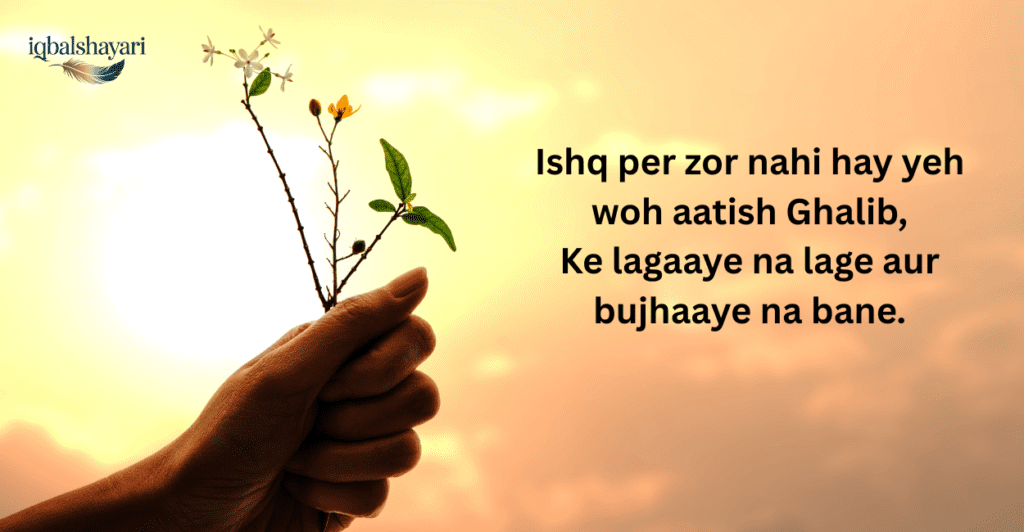
The tradition traces back to 13th century Persia, where ghazal poetry flourished before spreading across the Indian subcontinent during the Mughal period. Legendary poets like Mirza Ghalib, Allama Iqbal, and Faiz Ahmed Faiz elevated this art form into a cornerstone of South Asian literature.
These classical masters wrote primarily in Urdu, creating verses that explored themes of ishq (transcendent love), dard (emotional pain), hijr (separation), and vasl (union). Their work established conventions that modern english shayari still honors while adapting to new contexts.
The evolution to English accelerated with digital communication. SMS culture in the early 2000s, followed by WhatsApp and Instagram, created perfect platforms for sharing brief, impactful verses. Today, shayari thrives on social media where emotional authenticity connects people across geographical and cultural boundaries.
Types of Shayari and When to Use Them
Love Shayari
Romantic shayari captures the full spectrum of love from first attraction to deep commitment. These verses work beautifully for anniversaries, proposals, expressing affection, or simply reminding someone they matter.
“You are the home I never had, the peace in a world gone mad.”
This type of shayari excels when you need to communicate feelings that go beyond “I love you.” The metaphorical language creates emotional resonance while avoiding clichés that flatten genuine sentiment.
Use love shayari for Instagram captions, WhatsApp status updates, greeting cards, or text messages when you want your words to carry weight. The rhythmic quality makes these verses stick in memory long after reading.
Sad Shayari
Heartbreak shayari provides language for pain when you’re struggling to articulate loss, betrayal, or loneliness. These verses validate difficult emotions while offering the cathartic release that comes from seeing your feelings reflected in art.
“I’m learning to survive in a world where you exist but not with me, where love lives but couldn’t be, where we ended though unfinished.”
Broken heart shayari serves both personal processing and social connection. Sharing these verses signals to others that you’re going through something difficult, often opening pathways for support and understanding.
The best sad shayari in english avoids melodrama while honoring genuine grief. It acknowledges pain without wallowing, creating space for both sorrow and eventual healing.
Attitude Shayari
Confidence shayari projects self-worth, sets boundaries, and celebrates independence. Popular especially among younger audiences, these verses declare personal power without apology.
“What’s meant for me will find me here, I will attract what I declare.”
This category of shayari works exceptionally well on social media platforms like Instagram and TikTok where personal branding matters. Attitude shayari for boy and similar variations emphasize strength, resilience, and self-sufficiency.
Use these verses when you need to assert yourself, celebrate achievements, or remind yourself of your inherent worth. They function as affirmations wrapped in poetic language.
Motivational Shayari
Inspirational shayari fuels perseverance during challenges. Students preparing for exams, professionals facing setbacks, or anyone navigating difficult transitions find encouragement in verses that reframe struggle as growth.
“Your struggles today are building the strength you’ll need for your future. Every step, no matter the length, leads you beyond this sorrow.”
Motivational shayari differs from generic inspirational quotes through its rhythmic structure and metaphorical depth. Rather than simply stating “don’t give up,” these verses paint vivid pictures of transformation and possibility.
Share motivational shayari as morning messages, post them during exam seasons, or use them in professional contexts like LinkedIn where authentic inspiration resonates better than corporate jargon.
Friendship Shayari
Friend shayari celebrates bonds, expresses gratitude, and maintains connections across distance. These verses work perfectly for birthdays, Friendship Day, or simply letting someone know they matter.
“Real friends are like a star in daylight, invisible but always there when we need them. When darkness falls they shine bright, proving they always care.”
The best friendship shayari in english acknowledges both the joy of connection and the effort required to maintain relationships. It validates the importance of chosen family in our lives.
Life Philosophy Shayari
Wisdom shayari offers perspective on existence, acceptance, change, and growth. These verses appeal to more mature audiences seeking meaning beyond surface-level emotions.
“Let go of what weighs you down, not everything deserves your grip. Some battles aren’t worth the crown, some ships are meant to slip.”
Life shayari provides frameworks for understanding difficult experiences and finding peace with uncertainty. These verses often draw from both Eastern philosophical traditions and universal human wisdom.
How to Write Your Own Shayari
Creating effective shayari starts with identifying one specific emotion you want to express. Don’t aim for “sadness” in general—focus on “the hollow ache of missing someone who’s still alive but no longer yours.”
Choose your structure next. Couplets (two lines) deliver immediate impact while quatrains (four lines) allow slightly more development. Most successful english shayari stays within this range.
Build your metaphor using images from nature, everyday life, or universal experiences. Instead of writing “I’m sad you left,” try “I’m relearning silence in rooms we filled with laughter.” The specific sensory detail makes abstract emotion tangible.
Read your shayari aloud to test rhythm. Strong verses have natural cadence when spoken, with pauses that enhance meaning and emphasis on emotionally charged words. If it sounds awkward, revise until the flow feels effortless.
Avoid forced rhyming that sacrifices meaning for sound. It’s better to use subtle slant rhymes or skip rhyming entirely than to contort your message into an unnatural pattern.
Common Mistakes to Avoid
The biggest error in writing shayari is relying on clichés. Phrases like “you are my everything” or “time heals all wounds” have lost impact through overuse. Challenge yourself to express these sentiments with fresh imagery.
Don’t overcomplicate your language. Shayari gains power from accessible words arranged beautifully, not from obscure vocabulary that distances readers. Simple words like “home,” “silence,” “light,” and “storm” carry enormous emotional weight when used thoughtfully.
Respect the cultural origins of shayari even when writing in English. Acknowledge the Urdu poetry tradition, avoid stereotyping South Asian culture, and approach this art form with genuine appreciation rather than superficial adoption.
Never claim others’ shayari as your own. When sharing verses you didn’t write, provide attribution. The poetry community values honesty about authorship and respects original creators.
Shayari vs Poetry vs Quotes
Understanding these distinctions helps you choose the right form for your purpose:
| Feature | Shayari | Poetry | Quotes |
| Length | 2-4 lines typically | Any length | 1-2 sentences |
| Structure | Rhythmic couplets/quatrains | Varied forms | Prose statements |
| Cultural roots | South Asian tradition | Universal | Universal |
| Purpose | Emotional expression | Artistic exploration | Wisdom delivery |
| Sharing style | Recitation, social media | Reading, performance | Citation, attribution |
Shayari excels when you need emotional resonance in a shareable format. Poetry serves deeper artistic exploration. Quotes deliver clear wisdom without elaborate structure.
Where to Share Your Shayari
Instagram remains the premier platform for shayari in english.Create photograph posts along with your verse overlaid on aesthetic backgrounds, submit all through nighttime hours (7-nine PM) while engagement peaks, and use hashtags.
WhatsApp serves personal sharing through status updates and direct messages. The intimacy of one-to-one communication makes this ideal for love shayari or friendship shayari directed at specific people.
Facebook groups dedicated to poetry and shayari offer community engagement. These spaces welcome both sharing your work and discovering others’ verses, creating opportunities for feedback and growth.
LinkedIn surprises many as an effective platform for motivational shayari and life philosophy shayari. Professional audiences respond well to authentic inspiration that transcends typical business content.
TikTok and Instagram Reels expand possibilities through video format. Record yourself reciting shayari with background music, or create text-based videos with compelling visuals.
Tools and Resources for Creating Shayari
Design tools like Canva offer templates specifically for poetry posts. Choose minimalist backgrounds that don’t compete with your text, select elegant fonts like Playfair or Cormorant, and maintain consistent visual branding.
RhymeZone helps find rhymes when you’re stuck, though remember that forced rhyming weakens shayari. Use it as a tool for possibilities, not a crutch for every line.
Grammarly catches technical errors while preserving your poetic voice. Set it to check grammar without being overly rigid about style, since poetry sometimes intentionally breaks conventional rules.
Reading classical poets provides inspiration and education. Explore translated works by Mirza Ghalib and Faiz Ahmed Faiz to understand the tradition. Modern creators like Gulzar show how shayari adapts to contemporary contexts.
Join online communities on Reddit (r/poetry, r/OCPoetry) for feedback and support. These spaces help you improve through constructive criticism and exposure to diverse styles.
The Psychology Behind Why Shayari Resonates
Shayari succeeds because it validates emotions we struggle to articulate ourselves. Seeing our feelings reflected in beautiful language provides both comfort and clarity. We feel less alone knowing others have experienced similar depths of love, pain, or joy.
The brevity forces concentrated emotional truth. Unlike prose that can meander or obscure, shayari distills feeling to its essence. This directness creates immediate connection between creator and reader.
Rhythm and metaphor engage both logical and emotional processing. The musical quality of well-crafted shayari makes it memorable while the imagery creates lasting mental associations. This dual engagement explains why certain verses stay with us for years.
Sharing shayari signals emotional intelligence and cultural awareness. It demonstrates capacity for nuanced feeling beyond surface-level expression, creating opportunities for deeper human connection.
Professional and Commercial Applications
Content marketers increasingly use shayari to humanize brand voices. A well-chosen verse in an email subject line or social media post cuts through generic marketing noise with authentic emotional appeal.
Therapists and counselors employ shayari as emotional processing tools. Clients struggling to articulate feelings can find verses that represent their internal experiences, opening pathways for discussion and healing.
Greeting card companies and gift retailers commission original shayari for products. Writers with portfolios of quality verses find monetization opportunities in this space.
Event planners incorporate shayari into weddings, memorials, and celebrations. Custom verses add personalized meaning to significant life moments.
Frequently Asked Questions
What makes shayari different from regular poetry?
Shayari maintains specific structural constraints (typically 2-4 lines) and cultural roots in Urdu/Hindi traditions, while poetry encompasses any artistic writing regardless of form or origin. Shayari emphasizes emotional brevity and rhythmic flow specifically designed for recitation and social sharing, whereas poetry explores wider artistic and experimental territories.
Can non-South Asian people write shayari in English?
Yes, when approached with cultural respect and acknowledgment of the form’s origins. Learn about the tradition’s history, credit influential poets like Mirza Ghalib and Faiz Ahmed Faiz, avoid stereotyping or exoticizing South Asian culture, and focus on authentic emotional expression rather than superficial imitation. The key is appreciation rather than appropriation.
How long should shayari be?
Most effective english shayari ranges from two to four lines. Couplets (two lines) deliver maximum impact in minimal space, perfect for social media and quick emotional punches. Quatrains (four lines) allow slightly more complex emotional development while maintaining the concentrated power that defines shayari. Anything longer risks losing the essential quality of brevity.
Does shayari have to rhyme?
Rhyming enhances memorability and musical quality but isn’t mandatory. Well-crafted rhythm and strong metaphorical imagery can carry shayari without rhyme. If rhyming forces unnatural word choices or weakens meaning, skip it. Many successful modern shayari creators use slant rhymes (near-rhymes) as a middle ground between full rhyme and free verse.
Where can I share my shayari to reach an audience?
Instagram offers the highest engagement for shayari, especially when posted as visual content during evening hours (7-9 PM). Facebook groups dedicated to poetry provide community feedback. Twitter works for brief verses. WhatsApp serves personal sharing through status updates. LinkedIn surprisingly welcomes professional or motivational shayari. Build presence consistently across platforms rather than sporadic posting.
What topics should I avoid in shayari?
Handle graphic violence, explicit self-harm references, hate speech, and stereotypes with extreme caution or avoid entirely. While emotional pain is appropriate subject matter, detailed descriptions of self-harm can trigger vulnerable readers. Include content warnings for sensitive topics. Respect that shayari’s purpose is emotional truth, not shock value or exploitation.
How can I improve my shayari writing skills?
Read extensively across classical Urdu poets (in translation), modern shayari english creators, and diverse poetry forms. Write daily, even just one couplet capturing a current emotion. Join feedback communities on Reddit or poetry forums. Study what resonates in popular shayari and analyze why certain verses succeed. Practice metaphor-building by describing emotions through sensory images rather than direct statements.
Can I make money writing English shayari?
Monetization paths include social media revenue (Instagram, YouTube, TikTok) after building substantial audiences, publishing poetry collections through Amazon KDP or traditional publishers, freelance writing for greeting card companies and content agencies, teaching shayari workshops, commissioned work for weddings and events, and licensing verses for apps or merchandise. Building a consistent portfolio and engaged audience precedes reliable income.
What’s the best time to post shayari English on social media?
Instagram and Facebook perform best during evening hours (7-9 PM) when people are reflective and have time to engage emotionally. Weekend mornings (9-11 AM) also work well. Avoid early weekday mornings when audiences are rushed. LinkedIn favors morning posts (7-8 AM) for professional or motivational shayari. Test different times and analyze your specific audience’s engagement patterns for optimization.
Is shayari the same as quotes?
No. Shayari uses rhythmic, often rhyming poetic structure with metaphorical language rooted in South Asian literary tradition. Quotes are prose statements delivering wisdom or facts, typically attributed to specific sources, without rhythmic or rhyming structure. Shayari prioritizes emotional resonance and artistic expression; quotes prioritize clear wisdom delivery. Both serve different purposes in communication.
Conclusion
shayari English offers a bridge between ancient poetic wisdom and modern emotional expression. These brief verses carry the power to articulate feelings that everyday language fails to capture, connect us with cultural heritage while remaining accessible, and create moments of genuine human connection in digital spaces.
Whether you’re browsing collections for the perfect verse to share, learning to craft your own emotional poetry, or simply exploring this beautiful art form, remember that authentic feeling matters more than technical perfection. The best shayari speaks truth in ways that resonate universally while honoring the specific cultural tradition from which it emerged.
Start by reading widely, write about emotions you genuinely feel, share your work with communities that support growth, and approach this tradition with both creativity and respect. Your voice, your perspective, and your emotional truth deserve expression—one carefully crafted couplet at a time.