
Introduction: Famous Poets, Types & How to Write Your Own
Hindi shyari represents one of the most emotionally resonant forms of poetry in South Asian culture, blending the linguistic beauty of Urdu and Hindi into memorable two-line couplets that capture love, heartbreak, philosophy, and everyday life. Whether you’re scrolling through Instagram, attending a South Asian wedding in New York, or searching for the perfect WhatsApp status, chances are you’ve encountered the profound simplicity of a well-crafted sher.
For millions of people across the United States—from second-generation South Asian Americans reconnecting with their heritage to Bollywood enthusiasts captivated by poetic film dialogues—shayari offers a cultural bridge that transcends language barriers. Unlike conventional Western poetry, Hindi shyari follows specific structural rules inherited from Persian literary traditions while maintaining an accessibility that makes it perfect for modern social media sharing.
This guide explores everything from understanding what makes shayari unique to learning how to write your own couplets, discovering famous poets, and finding the best resources for your poetic journey.
What is Hindi Shyari?
Hindi shyari (हिंदी शायरी) is poetic expression in the Hindustani language that conveys emotions, philosophical thoughts, and observations through carefully structured verses. The term derives from the Arabic word “shi’r” meaning poetry, and has evolved into a distinct South Asian art form over centuries.
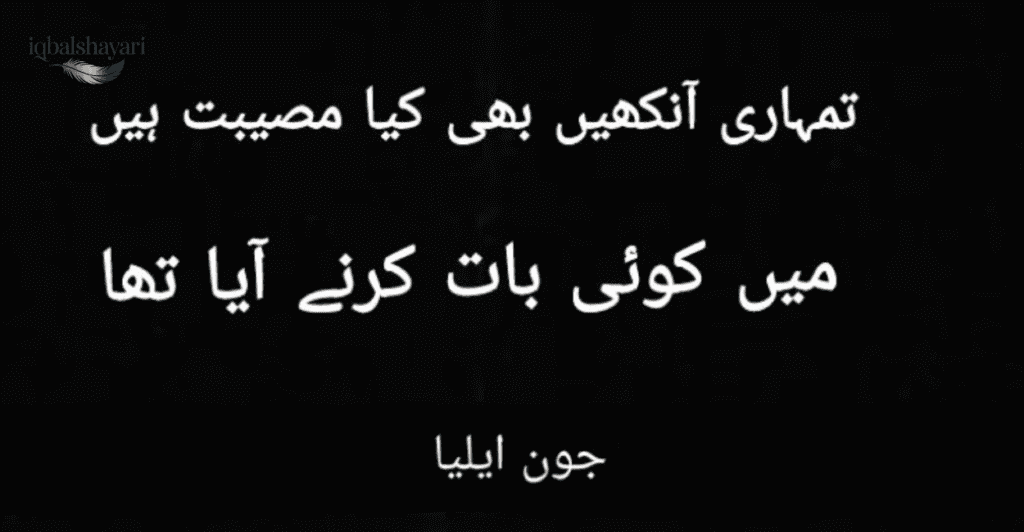
At its core, a sher (شعر) is a self-contained two-line couplet where each line is called a misra. What distinguishes shayari from other poetry forms is its adherence to specific metrical patterns called beher and consistent rhyme schemes involving qaafiya (the rhyming syllable) and radif (repeated words at line endings).
The beauty of Hindi shayari lies in its density—profound meaning compressed into just two lines. A single sher might explore the entire spectrum of romantic longing, the pain of separation, or life’s philosophical paradoxes, all while maintaining perfect rhythm and rhyme.
In the American context, shayari serves multiple purposes. For diaspora communities in cities like Chicago, Houston, and the San Francisco Bay Area, it maintains linguistic and cultural connections across generations. For content creators and social media users, it provides emotionally authentic captions and status updates that resonate far beyond simple quotes.
The History and Cultural Significance of Shayari
The roots of Hindi-Urdu shayari trace back to 12th and 13th century Persian poetry traditions that entered the Indian subcontinent through cultural exchange and conquest. During the Mughal era (1526-1857), Urdu poetry flourished in royal courts where emperors patronized poets and mushaira (poetry recitation gatherings) became central to cultural life.
The 18th century marked shayari’s golden age in Delhi, where masters like Mir Taqi Mir (1723-1810) established the romantic and melancholic traditions that continue today. Mirza Ghalib (1797-1869), arguably the greatest Urdu poet in history, elevated ghazal composition to philosophical heights, exploring themes of existence, divine love, and human suffering with unmatched linguistic sophistication.
The 20th century brought transformation as the Progressive Writers’ Movement introduced social commentary and political resistance into shayari. Poets like Faiz Ahmad Faiz (1911-1984) blended revolutionary themes with romantic imagery, while Allama Iqbal (1877-1938) used poetry to inspire spiritual awakening and national identity.
Today, Hindi shyari permeates popular culture through Bollywood film songs and dialogues. Contemporary poets like Gulzar and Javed Akhtar have introduced conversational simplicity while maintaining classical depth, making shayari accessible to younger generations and non-native speakers.
In the United States, mushaira events continue in major metropolitan areas, though digital platforms have democratized access. Instagram hashtags like #HindiShayari contain over 5 million posts, while apps like Rekhta bring classical collections to smartphones, ensuring the tradition evolves while preserving its essence.
Types of Hindi Shayari
Romantic Shayari (Ishq Shayari)
Romantic shayari explores love in all its forms—from initial attraction to deep commitment, from playful flirtation to soul-deep connection. This category dominates social media sharing, particularly for occasions like Valentine’s Day, anniversaries, and proposals.
Common themes include the beloved’s beauty (often using metaphors of moon, stars, and flowers), the lover’s restless heart, sleepless nights of longing, and the sweet torture of separation. The best romantic shayari balances universal emotions with unique imagery, avoiding clichés while remaining relatable.
Example themes you’ll encounter: the first meeting’s magic, stolen glances, unspoken feelings, the fear of rejection, promises of eternal devotion, and celebrations of togetherness.
Sad Shayari (Dard Bhari Shayari)
Sad shayari or dard bhari shayari (pain-filled poetry) articulates heartbreak, betrayal, loneliness, and grief. This emotionally cathartic form allows readers to process difficult feelings through poetic expression.
The subcategories include judai shayari (separation poetry), bewafa shayari (betrayal verses), tanhai shayari (loneliness couplets), and expressions of unfulfilled desires (hasrat). Many people turn to sad shayari during breakups, periods of depression, or when processing loss.
The appeal lies in its validation—seeing your deepest pain articulated beautifully reminds you that others have walked similar paths. Mir Taqi Mir remains the master of melancholic shayari, his couplets resonating across centuries with those experiencing emotional suffering.
Motivational Shayari (Hausla Shayari)
Motivational shayari inspires courage, determination, and resilience. Popular in business presentations, student study groups, and personal development content, these verses push readers toward action and positive mindset.
Themes include overcoming obstacles, rising after failure, maintaining self-belief, challenging destiny, and refusing to surrender to circumstances. Unlike Western motivational quotes, hausla shayari often acknowledges pain while celebrating the strength to endure it.
This category has exploded on social media platforms where users seek daily inspiration. Content creators targeting entrepreneurs, athletes, or students frequently incorporate motivational shayari for engagement.
Friendship Shayari (Dosti Shayari)
Dosti shayari celebrates the bonds of friendship—loyalty, shared experiences, unconditional support, and the chosen family we create. Less common than romantic or sad categories, friendship shayari holds special significance in South Asian culture where friendships often carry family-like depth.
Popular occasions include birthdays, reunions, Friendship Day celebrations, and expressions of gratitude toward trusted companions who stood by during difficult times.
Philosophical Shayari (Falsafa Shayari)
Philosophical shayari explores life’s deeper questions: the nature of existence, the relationship between creator and creation, the illusion of worldly attachments, the inevitability of death, and the search for meaning. Allama Iqbal and Mirza Ghalib excelled in this domain, crafting verses that reward repeated contemplation.
This category appeals to mature readers seeking wisdom beyond superficial emotions. The best falsafa shayari presents paradoxes that challenge conventional thinking while offering multiple interpretive layers.
Patriotic Shayari (Deshbhakti Shayari)
Patriotic shayari expresses national pride, celebrates cultural identity, honors sacrifice, and calls for unity. Allama Iqbal’s “Saare Jahan Se Achha” remains one of the most beloved patriotic poems in both India and Pakistan.
In the American diaspora context, deshbhakti shayari often takes on dual meaning—honoring ancestral homelands while celebrating multiculturalism and the immigrant experience in the United States.
Understanding Shayari Formats: Ghazal, Nazm, and More
Not all shayari follow the same structure. Understanding these formats helps appreciate the craft and aids those learning to write.
Ghazal (غزل)
A ghazal consists of 5 to 15 couplets sharing the same meter and rhyme scheme. Each sher within a ghazal stands thematically independent—you can rearrange them without losing meaning. The opening couplet (matla) has both lines rhyming, while subsequent couplets only rhyme in the second line. The final couplet (maqta) traditionally includes the poet’s pen name (takhallus).
The radif (repeated word or phrase) and qaafiya (rhyming pattern) create the ghazal’s musical quality. This format dominated classical Urdu poetry and remains the most prestigious form.
Nazm (نظم)
A nazm is a narrative poem developing a single theme throughout. Unlike ghazals, where each couplet is independent, nazms build continuity across stanzas. They allow more structural flexibility regarding meter and rhyme, making them popular for storytelling and social commentary.
Modern poets often prefer nazms for addressing contemporary issues without classical constraints.
Rubai (رباعی)
A rubai is a four-line stanza with an AABA rhyme scheme. This Persian form influenced South Asian poetry significantly. Rubais typically explore philosophical or romantic themes in compressed form, similar to the Japanese haiku’s economy of expression.
Sher vs. Shayari
People often use these terms interchangeably, but technically a shair is the basic unit (one two-line couplet), while shayari is the broader term encompassing all Urdu-Hindi poetic expression. You might write a single sher or compose an entire ghazal of multiple shairs—both qualify as shayari.
Famous Hindi Shayari Poets You Should Know
Classical Masters
Mirza Ghalib (1797-1869) towers above all Urdu poets for his philosophical depth, linguistic innovation, and technical mastery. His ghazals explore love’s paradoxes, divine mysteries, and human existence with unmatched complexity. Despite writing in the 19th century, his verses feel contemporary in their psychological insight.
Mir Taqi Mir (1723-1810) earned his reputation as the “God of Poetry” for romantic and melancholic shayari of profound emotional authenticity. His simple language conveyed depths of feeling that influenced every subsequent generation. If you’re exploring sad shayari, Mir’s work provides the foundation.
Allama Iqbal (1877-1938) combined spirituality, philosophy, and calls for social awakening. His poem “Saare Jahan Se Achha” became an unofficial anthem. Iqbal’s shayari inspired political movements and spiritual seekers alike, bridging Islamic philosophy with South Asian cultural identity.
Modern Era Giants
Faiz Ahmad Faiz (1911-1984) revolutionized Urdu poetry by weaving political resistance into romantic imagery. A Marxist who spent years imprisoned for his beliefs, Faiz created verses that spoke simultaneously of human love and social justice. He won the Lenin Peace Prize in 1962, and his work has been translated into dozens of languages.
Gulzar (1934-present) brought conversational simplicity to shayari while maintaining poetic depth. As a Bollywood lyricist and filmmaker who won an Academy Award, Gulzar made Urdu poetry accessible to non-native speakers through film songs. His style feels like intimate conversation rather than formal recitation.
Javed Akhtar (1945-present) bridges classical tradition and contemporary sensibilities. With five National Film Awards and recognition as one of Bollywood’s greatest lyricists, Akhtar’s shayari reaches massive audiences while respecting formal elements. He’s particularly effective at motivational shayari that inspires without becoming preachy.
Rahat Indori (1950-2020) became a social media phenomenon for powerful mushaira performances addressing political and social issues. His verses criticizing corruption and celebrating common people’s dignity earned him massive following. Rahat Indori’s shayari demonstrated the form’s continued relevance for social commentary.
Contemporary Voices
Today’s shayari landscape includes poets like Kumar Vishwas, known for political satire and passionate recitations; Waseem Barelvi, who specializes in traditional romantic ghazals; and Bashir Badr, whose simple language masks philosophical depth. Female voices like Parveen Shakir (1952-1994) brought women’s perspectives to a historically male-dominated field.
In the United States, second and third-generation South Asian American poets are creating hybrid forms, blending English and Hindustani in ways that reflect diaspora experiences. These emerging voices keep shayari evolving while honoring its roots.
How to Write Your Own Hindi Shayari
Writing shayari combines technical craft with emotional authenticity. Here’s a practical approach for beginners:
Start with Genuine Emotion
The best shayari comes from real feelings, not forced cleverness. Choose one specific emotion you’re experiencing—heartbreak from a recent breakup, joy about a friendship, frustration with life circumstances, or wonder at nature’s beauty. Authentic emotion connects with readers far more than technically perfect but hollow verses.
Choose Your Format
Beginners should start with simple two-line shairs before attempting ghazals. A standalone couplet lets you focus on fundamental skills—meter, rhyme, and meaningful expression—without the complexity of maintaining consistency across multiple verses.
Establish Your Meter (Beher)
Hindi shayari follows rhythmic patterns where syllables create musical flow. The most common patterns use 8-8, 11-11, or 14-14 syllable counts per line. Count syllables in your favorite shers to internalize natural rhythms.
Don’t obsess over perfect meter initially—focus on approximate consistency. As you practice, your ear develops for what “sounds right.” Read your verses aloud repeatedly; if they stumble when spoken, adjust until they flow smoothly.
Create Your Rhyme Scheme
Decide which words will rhyme (qaafiya) and whether you’ll use a repeating phrase (radif). For a basic sher, both lines should end with the same word or rhyming words.
Example structure:
- Line 1: [content] + word A
- Line 2: [content] + word A (same word or rhyme)
Avoid sacrificing meaning for rhyme. If you can’t find a natural rhyme, change your approach rather than forcing awkward word choices.
Use Metaphor and Imagery
Shayari thrives on figurative language. Instead of stating “I’m sad,” explore images that convey sadness—empty rooms, fading stars, autumn leaves, silent musical instruments. Classical shayari draws heavily from nature, wine culture (as metaphor), and mystical symbolism.
Common metaphorical systems:
- Night/darkness = sorrow or mystery
- Moon/stars = beloved’s beauty
- Garden/flowers = life’s fleeting pleasures
- Journey/path = life’s experiences
- Wine/intoxication = love or spiritual ecstasy
Revise Ruthlessly
First drafts rarely succeed. Write your initial version, then revise for:
- Syllable consistency
- Stronger word choices
- Clearer imagery
- Emotional impact
- Natural flow when spoken aloud
Remove unnecessary words. Shayari’s power comes from compression—saying maximum meaning in minimum space.
Common Mistakes to Avoid
Don’t copy famous shairs and change a few words—readers recognize this immediately. Don’t use obscure Urdu vocabulary just to sound sophisticated; accessibility matters. Don’t write about emotions you haven’t experienced; readers detect inauthentic verses. Don’t sacrifice meaning for technical perfection; emotion trumps perfect meter.
Most importantly, don’t expect brilliance immediately. Mirza Ghalib and Faiz refined their craft over decades. Practice daily, even just one couplet, and your skills will develop naturally.
Where to Find and Share Hindi Shayari
Digital Platforms and Apps
Rekhta (rekhta.org and mobile app) offers the most comprehensive classical Urdu poetry collection available, with over 50,000 poems, audio recitations by renowned artists, and detailed poet biographies. For serious learners interested in understanding classical traditions, Rekhta is indispensable. The platform provides both Urdu script and Roman transliterations, plus English translations.
Shayari Studio and similar apps cater to social media sharing, offering tools to create visually appealing shayari graphics for Instagram, Facebook, and WhatsApp. These apps categorize content by emotion (romantic, sad, motivational) for quick discovery.
Hindi Shayari apps provide searchable collections organized by theme, occasion, and poet. Most offer free access with ads, or premium subscriptions ($2.99-$9.99 monthly) for ad-free experience and expanded libraries.
Social Media Presence
Instagram hashtags like #HindiShayari, #UrduPoetry, and #Shayari contain millions of posts. Following accounts dedicated to specific poets or shayari types helps curate your feed with quality content. Many contemporary poets build audiences entirely through Instagram, posting original verses with artistic visuals.
WhatsApp status updates frequently feature two-line shayari because the format perfectly fits the character limits and ephemeral nature of 24-hour status posts. Pinterest offers visual shayari collections organized by theme, useful for finding aesthetically presented verses.
YouTube hosts mushaira recordings, poetry recitation videos, and educational content explaining ghazal composition and Urdu language fundamentals. Channels range from classical mushaira archives to modern poets experimenting with contemporary styles.
Books and Physical Resources
For American audiences, Amazon and other retailers stock English translations of major poets. “Diwan-e-Ghalib” (Complete Works of Ghalib) comes in multiple translated editions, ranging from literal translations to interpretive versions. Prices typically run $15-$40 for quality paperback editions.
University bookstores near South Asian Studies programs often carry scholarly anthologies and bilingual collections. Cities with large diaspora populations—New York, Chicago, Houston, Los Angeles, the San Francisco Bay Area, and New Jersey suburbs—have bookstores specializing in South Asian literature.
Live Events and Communities
Mushaira events continue in major American cities, particularly around cultural festivals and community celebrations. Organizations like the Indo-American Cultural Society and Pakistani American Cultural Center host poetry nights where established and emerging poets perform. Ticket prices typically range from $20-$75, with some community events offering free admission.
University South Asian student associations frequently organize poetry slams blending traditional shayari with contemporary spoken word styles. These events welcome participants of all skill levels and create supportive environments for experimentation.
Online communities on Facebook, Reddit, and specialized forums connect shayari enthusiasts globally. These groups offer feedback on original compositions, discuss interpretations of classical works, and share resources for learning Urdu and poetic techniques.
Hindi Shyari in American Diaspora Culture
For South Asian Americans, shayari serves multiple cultural functions beyond simple aesthetic appreciation. Second and third-generation individuals often use Hindi-Urdu poetry as a connection point to ancestral heritage, particularly when fluency in heritage languages has diminished.
At weddings across the United States, shayari appear in invitations, speeches, and ceremonial moments. Couples incorporate verses into vows, parents recite couplets during traditional ceremonies, and friends perform shayari as entertainment. This bridges generational gaps—elders appreciate classical references while younger attendees connect through Bollywood familiarity.
The code-switching common in diaspora communities extends to shayari use. Young people might share Urdu couplets on social media with English commentary, explaining cultural context to non-South Asian friends. This educational aspect helps maintain traditions while making them accessible to diverse social circles.
Professional content creators of South Asian descent—bloggers, YouTubers, Instagram influencers—leverage shayari for authentic cultural representation. A well-chosen couplet in video introductions or blog posts signals cultural identity while adding artistic sophistication to content.
Corporate contexts see limited but meaningful shayari use. Professionals might include verses in presentations during cultural heritage months, diversity initiatives, or when communicating with predominantly South Asian teams. The key is ensuring appropriate context and avoiding tokenistic use.
Frequently Asked Questions About Hindi Shyari
What is the difference between Hindi Shyari and regular Hindi poetry (Kavita)?
Shayari follows strict metrical patterns (beher) and rhyme schemes inherited from Persian-Arabic traditions, typically featuring self-contained couplets. Kavita (Hindi poetry) allows more structural freedom, uses predominantly Hindi-Sanskrit vocabulary, and can develop themes across stanzas without couplet independence. Both are valid forms serving different aesthetic traditions—shayari emphasizes musical rhythm and compressed meaning, while kavita permits more narrative and descriptive approaches.
Do I need to know the Urdu language to appreciate or write shayari?
No, though Urdu knowledge deepens appreciation. Most modern platforms provide Roman transliterations and English translations making shayari accessible to non-Urdu speakers. Many contemporary poets write in simplified Hindustani (Hindi-Urdu blend) using vocabulary familiar to Hindi speakers. For writing, you can start with Hindi words following shayari structural rules, gradually incorporating Urdu terms as you learn. Emotional authenticity matters more than linguistic perfection for beginners.
How long does it take to learn shayari writing?
Writing basic couplets with proper meter and rhyme can develop within 2-3 months of consistent practice. Creating verses with depth, originality, and emotional impact typically requires 1-2 years of dedicated effort. Mastering classical ghazal composition with sophisticated wordplay and philosophical layering takes many years, similar to any serious artistic pursuit. Most learners see meaningful progress within 6 months if practicing daily and studying established poets.
Can shayari be written in English?
Yes, though it loses some cultural and linguistic nuances. Some diaspora poets create English shayari, maintaining traditional rhyme schemes and couplet structures while using English vocabulary. The challenge is that Urdu-Hindi offers poetic possibilities—compound words, multiple meaning layers, cultural references—that don’t translate directly. English shayari works best when respecting formal elements while finding equivalent linguistic richness rather than literal translation.
Where can I find authentic shayari with proper English translations?
Rekhta.org offers the most extensive authenticated collection with professional translations. The Poetry Foundation features selected Urdu poets with scholarly translations and cultural context. Books like “The Oxford India Ghalib” provide annotated translations with explanatory notes. For social media sharing, verify sources—many Instagram accounts copy verses without proper attribution or contain translation errors. Cross-reference translations across multiple sources when accuracy matters.
What makes good shayari versus mediocre poetry?
Exceptional shayari combines technical mastery (consistent meter, clever rhyme) with original imagery, emotional authenticity, and layered meaning that rewards repeated reading. The best verses surprise with unexpected word choices while feeling inevitable in retrospect. Mediocre shayari relies on clichéd metaphors, forces awkward rhymes, or prioritizes technical perfection over genuine emotion. Good shayari can be recited from memory after one hearing—it sticks because rhythm and meaning align perfectly.
Is it culturally appropriate for non-South Asians to write or share shayari?
Appreciating and sharing shayari with proper attribution respects the art form. Writing shayari as a learner or enthusiast is generally welcomed—poetry transcends ethnic boundaries. The key is approaching the tradition respectfully: learn its history and cultural context, credit poets whose work you share, avoid treating it as exotic decoration, and recognize shayari’s deep significance in South Asian cultures. If sharing on social media, include translations and context for non-Urdu speaking audiences.
How do I properly credit poets when sharing their shayari on social media?
Always include the poet’s name, preferably their full name and pen name (takhallus) for classical poets. For example: “— Mirza Ghalib” or “— Faiz Ahmad Faiz.” If you found the verse through a specific translator or platform, credit them as well: “Translation by [translator name], via Rekhta.” Avoid claiming others’ verses as your own or sharing without attribution—this disrespects the poets and misleads audiences. When sharing contemporary poets, tag their social media accounts if available, supporting their visibility.
Conclusion
Hindi shyari offers a unique intersection of linguistic artistry, emotional expression, and cultural heritage that resonates across generations and geographical boundaries. Whether you’re a South Asian American reconnecting with ancestral traditions, a Bollywood enthusiast captivated by film poetry, or simply someone moved by the beauty of well-crafted verses, shayari provides accessible entry into one of the world’s richest poetic traditions.
The journey from casual reader to serious practitioner follows no prescribed timeline. Start by exploring different shayari types to discover what resonates emotionally. Read classical masters like Mirza Ghalib and modern voices like Gulzar to understand the tradition’s breadth. Experiment with writing simple couplets, accepting that early attempts will be imperfect—every celebrated poet began as an uncertain beginner.
Most importantly, engage with shayari authentically. Whether sharing verses on social media, attending mushaira events in your city, or simply reading quietly for personal reflection, let the poetry speak to your genuine experiences. The Urdu-Hindi poetic tradition has survived centuries because it captures universal human emotions in language that transcends barriers.
Resources exist throughout the United States for deeper exploration—digital platforms like Rekhta, community cultural centers in major cities, university programs, and online communities of fellow enthusiasts. The tradition continues evolving, welcoming new voices while honoring its classical foundations. Your engagement, whatever form it takes, contributes to shayari‘s living legacy.