
Introduction: Who Shaped Indian Music and Literature
When you hear the soul-stirring strains of qawwali music at a Sufi shrine or watch a sitar performance, you’re experiencing the living legacy of one man: Amir Khusro. Born in 1253 CE in medieval India, this extraordinary polymath didn’t just witness history—he shaped it through poetry, music, and spiritual devotion that continues resonating seven centuries later.
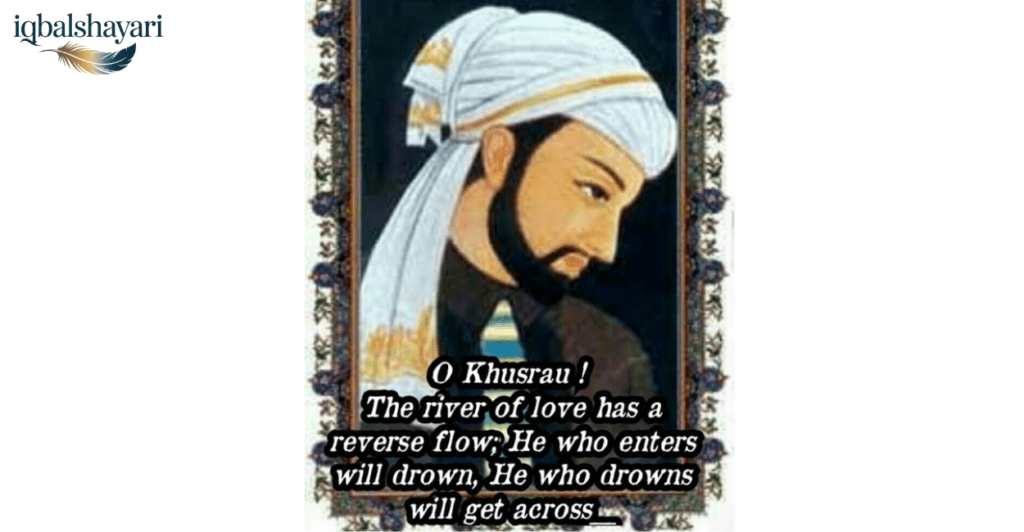
Amir Khusro (also spelled Khusrau or Khusrow) stands as one of India’s most remarkable cultural figures. A devoted Sufi mystic, prolific poet, musical innovator, and court chronicler, he embodied the rich synthesis of Persian and Indian traditions that defined the Delhi Sultanate era.
Who Was Amir Khusro?
Amir Khusro was born Abu’l Hasan Yamīn ud-Dīn Khusrau in Patiyali, near modern-day Kasganj in Uttar Pradesh. His father, Amir Saif ud-Din Mahmud, was a Turkic nobleman who had migrated from Turkestan, while his mother came from an Indian noble family. This mixed heritage proved crucial to Khusro’s unique perspective, allowing him to bridge Persian courtly traditions with indigenous Indian culture.
Young Khusro displayed extraordinary talent from childhood. By age eight, he was already composing verses in Persian, the literary language of mediev
al Indian courts. Tragically, his father’s death that same year left the family in financial hardship, deepening the boy’s empathy for common people and intensifying his spiritual seeking.
The defining relationship of his life began in 1271 when the 18-year-old Khusro met Hazrat Nizamuddin Auliya, a prominent saint of the Chishti Order. This meeting marked the start of a 54-year spiritual companionship that would profoundly influence both men’s legacies.
The Seven Sultans and a Life at Court
Amir Khusro’s extraordinary career spanned the reigns of seven Delhi Sultans, making him witness to decades of political intrigue, warfare, and administrative change. He entered court service at age 16 under Sultan Ghiyas ud-Din Balban, impressing the ruler with his literary prowess.
Throughout his life, Khusro served:
- Ghiyas ud-Din Balban (1266-1287)
- Kaiqubad (1287-1290)
- Jalal ud-Din Firuz Khalji (1290-1296)
- Ala ud-Din Khalji (1296-1316) – his most productive period
- Qutb ud-Din Mubarak Shah Khalji (1316-1320)
- Ghiyas ud-Din Tughlaq (1320-1325)
- Muhammad bin Tughlaq (1325) – briefly before his death
As court poet, he held the prestigious title of malik-ush-shuara (king of poets). He accompanied military campaigns, documented victories, witnessed Mongol invasions, and even spent time as a prisoner during one conflict. Yet through all political turbulence, he maintained his spiritual devotion and artistic integrity.
Musical Genius: The Birth of Qawwali
Amir Khusro’s most undisputed legacy is qawwali, the Sufi devotional music form that has captivated audiences worldwide. Drawing from Persian sama traditions, Indian bhakti kirtan, Arabic dhikr practices, and local folk music, he created something entirely new.
Qawwali is characterized by its lead vocalist supported by a chorus, harmonium providing melodic foundation, tabla and dholak driving rhythmic intensity, and hand clapping marking rhythmic cycles. The music gradually accelerates, building spiritual ecstasy through repetition of verses designed to induce trance-like states.
Khusro performed qawwali at Nizamuddin Auliya’s khanqah (Sufi hospice) in Delhi, where it became a cornerstone of Chishti spiritual practice. From those humble gatherings, the tradition spread across South Asia and eventually worldwide through artists like Nusrat Fateh Ali Khan, who brought qawwali to international concert halls.
The Sitar and Tabla Debate
Tradition credits Amir Khusro with inventing both the sitar and tabla, India’s most iconic instruments. The story goes that he created the sitar by modifying the Persian setar (three-stringed) and the Indian veena, producing a hybrid instrument with sympathetic strings, movable frets, and a curved bridge that produces the distinctive sliding notes.
Similarly, legend says he developed the tabla by splitting a pakhawaj drum in half, creating the paired drums that became essential to Hindustani classical music.
Modern musicologists debate these attributions. While Khusro likely didn’t invent these instruments from scratch, scholarly consensus suggests he significantly developed and popularized them. Whether inventor or innovator, his contribution to their evolution remains undeniable.
Beyond instruments, Amir Khusro developed new ragas (melodic frameworks) including Sarparda and Yeman, created talas (rhythmic cycles), established the khayal vocal form, and introduced tarana compositions using rhythmic syllables. These innovations fundamentally shaped Hindustani classical music as we know it today.
Literary Brilliance Across Languages
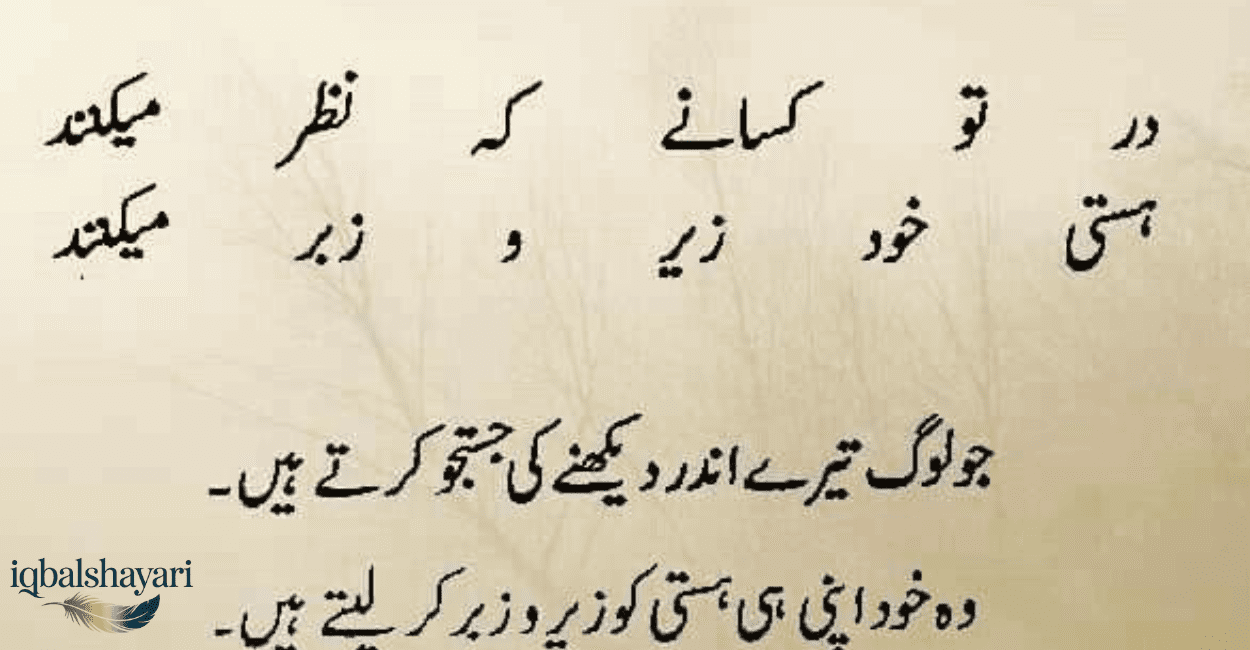
Amir Khusro was a true polyglot, composing poetry in multiple languages with equal mastery. In Persian, he produced approximately 400,000 couplets during his lifetime—a staggering output that established him among the greatest Persian poets.
His Persian poetry encompasses:
- Ghazals: Lyric poems exploring love, loss, and divine yearning
- Masnavis: Long narrative poems on epic and romantic themes
- Qasidas: Panegyrics praising sultans and spiritual masters
- Rubais: Four-line quatrains expressing philosophical insights
His most famous masnavi collection, the Khamsa (Quintet), includes Matla ul-Anwar (Mirror of Lights), Shirin-Farhad, Majnun-Laila, Hasht-Bihisht (Eight Paradises), and Ayina-i Sikandari (Mirror of Alexander). These works demonstrated technical virtuosity while drawing fresh metaphors from the Indian landscape.
Pioneer of Urdu Literature
Perhaps Amir Khusro’s most revolutionary contribution was elevating Hindavi (the ancestor of modern Hindi and Urdu) to literary status. Before him, Persian dominated courtly and literary circles. His Hindavi compositions included riddles still recited by children across India, folk songs for festivals like Holi and monsoon celebrations, devotional verses expressing Sufi philosophy in accessible language, and playful poems mixing Persian and Hindavi.
Famous examples include “Zehal-e-Miskin,” a heart-wrenching composition about separation from the beloved, and “Chhap Tilak,” celebrating spiritual intoxication and divine love. These works laid the foundation for the rich Urdu poetry tradition that would flourish through poets like Mir, Ghalib, and Iqbal.
The Spiritual Heart: Devotion to Nizamuddin Auliya
While Amir Khusro achieved worldly success serving sultans, his heart belonged to his spiritual master, Hazrat Nizamuddin Auliya. The bond between disciple and master was legendary.
Historical accounts describe how Khusro would travel from distant military campaigns just to spend time at Nizamuddin’s khanqah. He composed countless poems expressing his love and reverence for his guide, crediting him with teaching the true meaning of divine love.
One famous anecdote illustrates their connection: When Khusro returned from a seven-year absence due to military service, he was so overcome with emotion that he circled Nizamuddin’s khanqah performing a whirling dance, singing verses that became foundational to qawwali tradition.
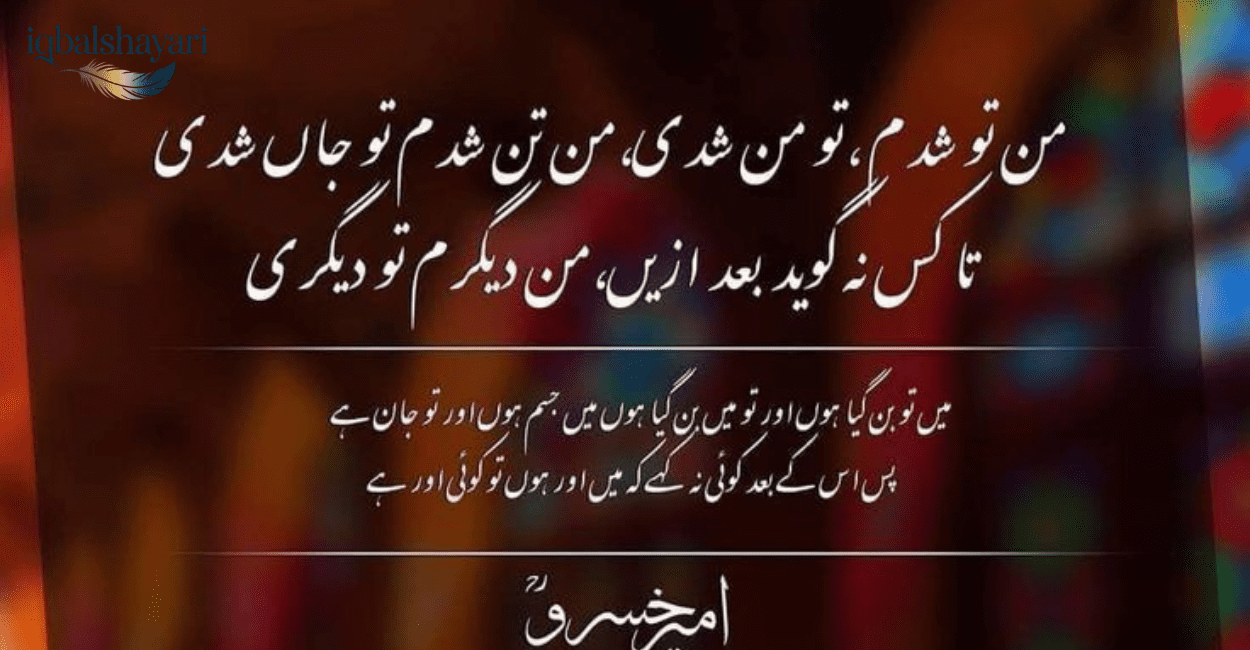
Through Nizamuddin’s guidance, Amir Khusro embraced core Sufi concepts: Ishq-e-Haqiqi (Divine Love), Wahdat al-Wujud (Unity of Being), Sama (Spiritual Listening using music), and Sulh-e-Kul (Universal Peace embracing religious harmony).
When Nizamuddin Auliya died on April 3, 1325, Khusro was devastated. According to tradition, he composed a famous elegy using bridal imagery to express his grief. Just six months later, at age 72, Khusro himself passed away in October 1325. He was buried next to his beloved master at the Nizamuddin Dargah in Delhi, where both graves remain pilgrimage sites today.
Major Works and Literary Contributions
Amir Khusro’s literary corpus is astounding in both quantity and quality. His historical masnavis include:
- Qiran us-Sa’dain: Describing the meeting of Bughra Khan and Kaiqubad
- Miftah ul-Futuh: Chronicling Ala ud-Din Khalji’s military victories
- Nuh Sipehr (Nine Skies): An encyclopedic work covering geography, history, and science
- Tughlaq Nama: Celebrating Ghiyas ud-Din Tughlaq’s accession
He compiled multiple diwans (collected poetry volumes) containing thousands of ghazals exploring divine love, separation and union themes, nature imagery, philosophical meditations, and celebrations of beauty.
His prose works included Ijaz-e-Khusrovi (literary treatise on poetic excellence) and Khazain ul-Futuh (Treasury of Victories, a historical record), along with various letters and epistles that provide valuable insights into the Delhi Sultanate period.
Cultural Impact and Lasting Legacy
Seven centuries after his death, Amir Khusro’s influence pervades contemporary culture. Every qawwali performance globally traces lineage to his innovations. Hindustani classical music builds on the ragas, talas, and compositional forms he developed or pioneered.
His Hindavi poetry laid foundations for the ghazal tradition that would produce literary giants like Mir Taqi Mir, Mirza Ghalib, and Muhammad Iqbal. The multilingual creativity he validated legitimized code-switching and linguistic hybridity that characterizes South Asian literature.
In modern India, Pakistan, and Bangladesh, Amir Khusro represents more than historical achievement. He embodies religious harmony—a Muslim mystic who celebrated Hindu festivals and traditions. He symbolizes composite culture, the Ganga-Jamuni tehzeeb (Ganges-Yamuna civilization) that defines subcontinental identity.
Educational institutions, music festivals, and cultural centers bear his name. The Indian postal service has issued commemorative stamps. Annual Urs celebrations at Nizamuddin Dargah draw massive crowds, with Thursday evening qawwali performances continuing the tradition he established.
Visiting Nizamuddin Dargah
For those seeking to experience Amir Khusro’s legacy firsthand, the Nizamuddin Dargah complex in Delhi offers profound spiritual and cultural encounters.
Located in Nizamuddin West, the shrine is easily accessible via Jangpura Metro Station on the Violet Line, about a 10-minute walk away. The dargah is free and open to visitors of all faiths, though modest clothing and head coverings for women are recommended.
The best time to visit is Thursday evening after sunset, when qawwali performances fill the courtyard. Multiple qawwali groups perform in rotation from approximately 6:30 PM to 10:30 PM, creating an atmosphere that’s deeply spiritual, crowded but welcoming.
Visitors can see Amir Khusro’s tomb adjacent to Nizamuddin Auliya’s central shrine, both decorated with flowers and ceremonial cloth. The complex includes a historic baoli (stepwell) with atmospheric architecture and a surrounding bazaar selling traditional perfumes, religious items, and food.
Safety is generally good, but watch valuables in crowded areas. Photography is allowed in most areas, though ask permission near the tombs. Flowers and offerings are available from vendors for modest prices.
Why Amir Khusro Matters Today
Understanding Amir Khusro provides insight into several vital cultural currents. His life demonstrates how artistic innovation flourishes at cultural crossroads. By synthesizing Persian, Turkish, Arabic, and Indian traditions, he created something entirely new that transcended its sources.
He shows that devotion can coexist with worldly excellence. Despite court obligations and political entanglements, he maintained spiritual integrity and produced transcendent art. His example validates multiple vocations and identities operating simultaneously.
Most importantly, in an era of increasing polarization, Amir Khusro embodies the harmony possible between different traditions. A Turkic-Indian poet writing in multiple languages, serving Muslim sultans while incorporating Hindu cultural elements, creating music for spiritual ecstasy—he lived the synthesis others only theorize.
Musicians studying Hindustani classical music trace fundamental techniques to his innovations. Poets writing Urdu ghazals build on foundations he laid. Anyone attending a qawwali performance participates in a tradition he created. Students researching the Delhi Sultanate encounter his historical chronicles. Spiritual seekers exploring Sufism read his devotional verse.
Frequently Asked Questions
Who was Amir Khusro and why is he famous?
Amir Khusro (1253-1325) was a legendary Sufi poet, musician, and scholar in medieval India. He’s famous for pioneering qawwali devotional music, inventing or developing the sitar and tabla, writing in both Persian and Hindavi (early Urdu), and serving seven Delhi Sultans while revolutionizing Hindustani classical music and South Asian literature.
Did Amir Khusro really invent the sitar and tabla?
Traditional accounts credit Amir Khusro with inventing both instruments. Modern scholars debate this, suggesting he likely didn’t invent them from scratch but significantly developed and popularized them. He probably modified existing instruments like the Persian setar and Indian veena to create the sitar, and split the pakhawaj drum to develop the tabla. Whether inventor or innovator, his contribution is undisputed.
What is the relationship between Amir Khusro and Nizamuddin Auliya?
Amir Khusro was the devoted disciple of Hazrat Nizamuddin Auliya, a prominent Sufi saint of the Chishti Order. Their 54-year spiritual companionship (1271-1325) profoundly influenced both men. Khusro composed countless poems expressing love for his master and performed qawwali at Nizamuddin’s khanqah. When Nizamuddin died in April 1325, Khusro died six months later. Both are buried together at Nizamuddin Dargah in Delhi.
What languages did Amir Khusro write in?
Amir Khusro wrote primarily in Persian, the literary language of medieval Indian courts, producing approximately 400,000 couplets. He also pioneered writing in Hindavi (early Hindi/Urdu), making him a founding figure of Urdu literature. Additionally, he composed in Arabic for scholarly works and Braj Bhasha for devotional pieces. His multilingual mastery was revolutionary for his era.
Where is Amir Khusro buried?
Amir Khusro is buried at Nizamuddin Dargah in Delhi, India, next to his spiritual master Nizamuddin Auliya. The dargah complex in Nizamuddin West, New Delhi, is accessible via Jangpura Metro Station. It welcomes thousands of visitors daily, with Thursday evening qawwali performances continuing the tradition Khusro established seven centuries ago.
What is qawwali and how did Amir Khusro create it?
Qawwali is a Sufi devotional music form created by Amir Khusro that blends Persian sama traditions, Indian bhakti kirtan, and Arabic dhikr practices. It features lead vocalists supported by chorus, harmonium, tabla, and hand clapping, with gradually accelerating tempo building spiritual ecstasy. Khusro developed qawwali for performances at Nizamuddin Auliya’s khanqah, where it became central to Chishti spiritual practice and spread worldwide.
How many works did Amir Khusro compose?
Amir Khusro composed an astounding literary corpus including approximately 400,000 couplets in Persian. His major works include five epic masnavis (the Khamsa quintet), multiple historical masnavis, several diwans (collected poetry volumes), prose works, and countless ghazals, qasidas, and rubais. He also created numerous musical compositions including qawwalis, taranas, and folk songs still performed today.
Why is Amir Khusro important to Indian culture?
Amir Khusro is crucial to Indian culture because he pioneered the synthesis of Persian and Indian traditions that defines subcontinental identity. He elevated Hindavi to literary status, laying foundations for Urdu literature. His musical innovations including qawwali, sitar, and tabla remain central to Indian classical music. He embodied religious harmony and cultural synthesis, becoming a symbol of India’s composite Ganga-Jamuni civilization that transcends religious boundaries.
Conclusion
Amir Khusro stands as one of history’s most remarkable polymaths—a poet whose verses still inspire devotion, a musician whose instruments define Indian classical music, a courtier who witnessed seven sultans, and a spiritual seeker whose love for his master transcended mortality.
His genius lay not just in mastering multiple disciplines, but in his unprecedented ability to synthesize diverse cultural streams. By blending Persian literary excellence with Indian musical traditions, Islamic mysticism with Hindu devotional practices, and courtly sophistication with folk accessibility, he created something entirely new—a composite Indo-Islamic culture that continues defining South Asian identity.
Seven centuries later, Amir Khusro’s voice continues resonating in qawwali performances at Sufi shrines, in the melodic sweep of sitar strings, in poetry recitations from Delhi to Lahore, and in the hearts of those who understand that true greatness transcends boundaries of language, culture, and time. His life teaches that the highest art emerges from synthesizing diverse influences, that devotion can coexist with worldly excellence, and that love—whether human or divine—remains the ultimate creative force.