Introduction:
There’s a particular kind of silence that lives inside a boy who’s hurting. Not the peaceful kind — the heavy kind. The kind that sits on your chest at 2 AM when you’re scrolling through old photos, or staring at a conversation you haven’t replied to in three days because you genuinely don’t know what to say.
Society has a script for boys in pain: be strong, move on, don’t make it a big deal. But the pain doesn’t get that memo. It stays. And sometimes, the only thing that cuts through that silence is two lines of sad shayari that somehow say everything you couldn’t.
This is why sad shayari for boys has been searched millions of times across India — not because boys are dramatic, but because they’re human, and shayari gives their pain a shape.
What Is Sad Shayari, and Why Does It Hit Different for Boys?
Shayari is a form of Urdu-Hindi poetry built on precision. A single sher — a two-line couplet — has to carry the full weight of an emotion. No padding, no explanation. Just two lines that land like a punch.
For boys specifically, sad shayari does something unique: it validates emotions that everyday language dismisses. When someone asks “are you okay?” it’s easy to say yes. But when you read “टूट जाता हूँ मैं अंदर से, पर दिखाता हूँ ठीक हूँ” — you feel seen in a way a conversation rarely achieves.
The tradition runs deep. Poets like Mirza Ghalib, Mir Taqi Mir, Ahmad Faraz, and Faiz Ahmed Faiz spent their lives turning personal grief into universal language. What they wrote centuries ago still describes exactly what a heartbroken 19-year-old in Delhi or Lucknow feels tonight. That’s not coincidence — that’s the power of dard bhari shayari.
The Different Faces of Sadness: Categories of Sad Shayari for Boys
Not all sadness is the same. A boy grieving a breakup feels something different from a boy drowning in tanhai (loneliness) or one who’s been betrayed by someone he trusted completely. Sad shayari for boys covers every shade.
Heartbreak Shayari for Boys
This is the most searched category — and for good reason. First love, last love, unrequited love — heartbreak shayari captures the specific ache of loving someone who either left or was never really yours.
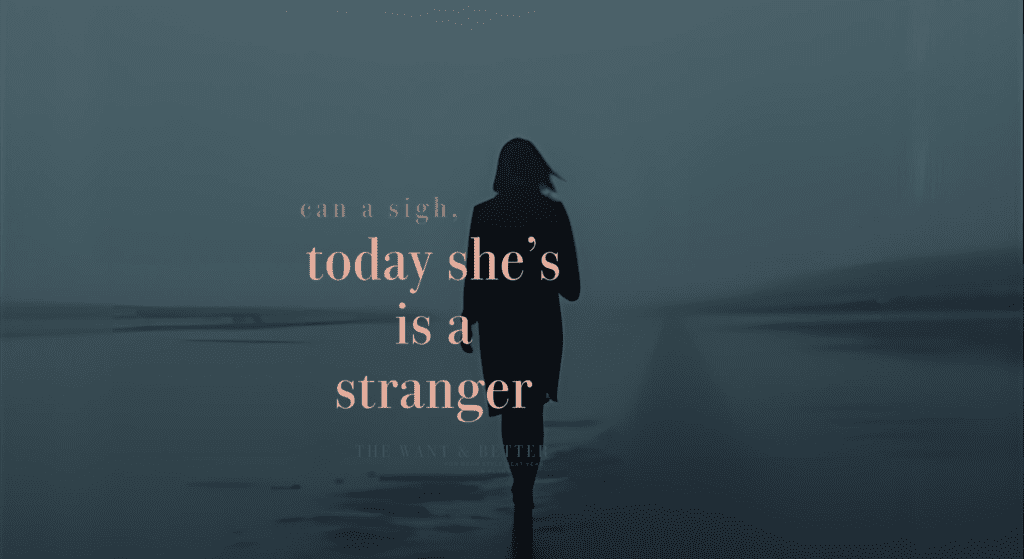
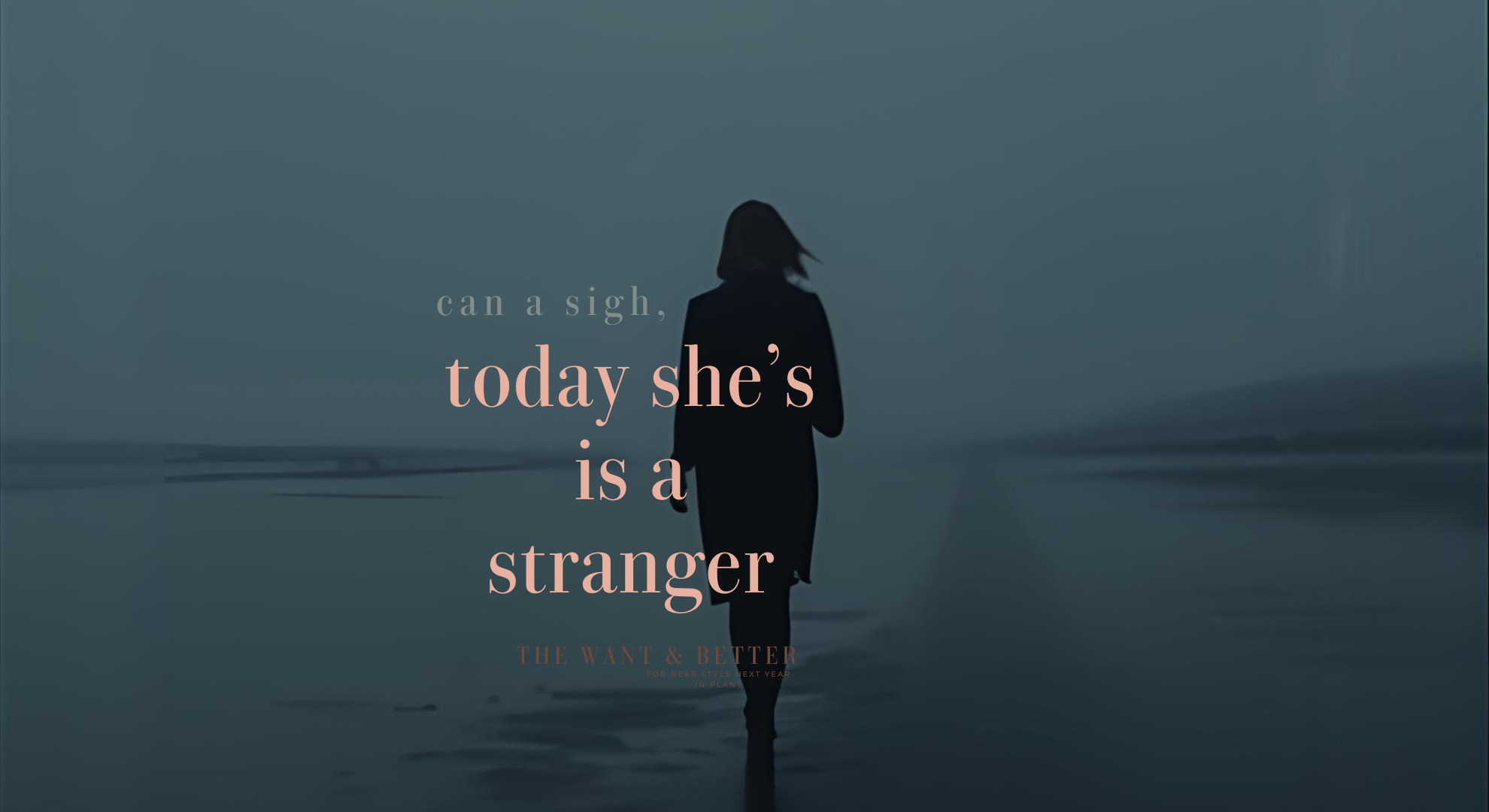
वो मेरी जान थी, मेरी दुनिया थी, आज वो अजनबी है, बस यही सच्चाई है। (She was my life, my world — today she’s a stranger, and that’s the only truth left.)
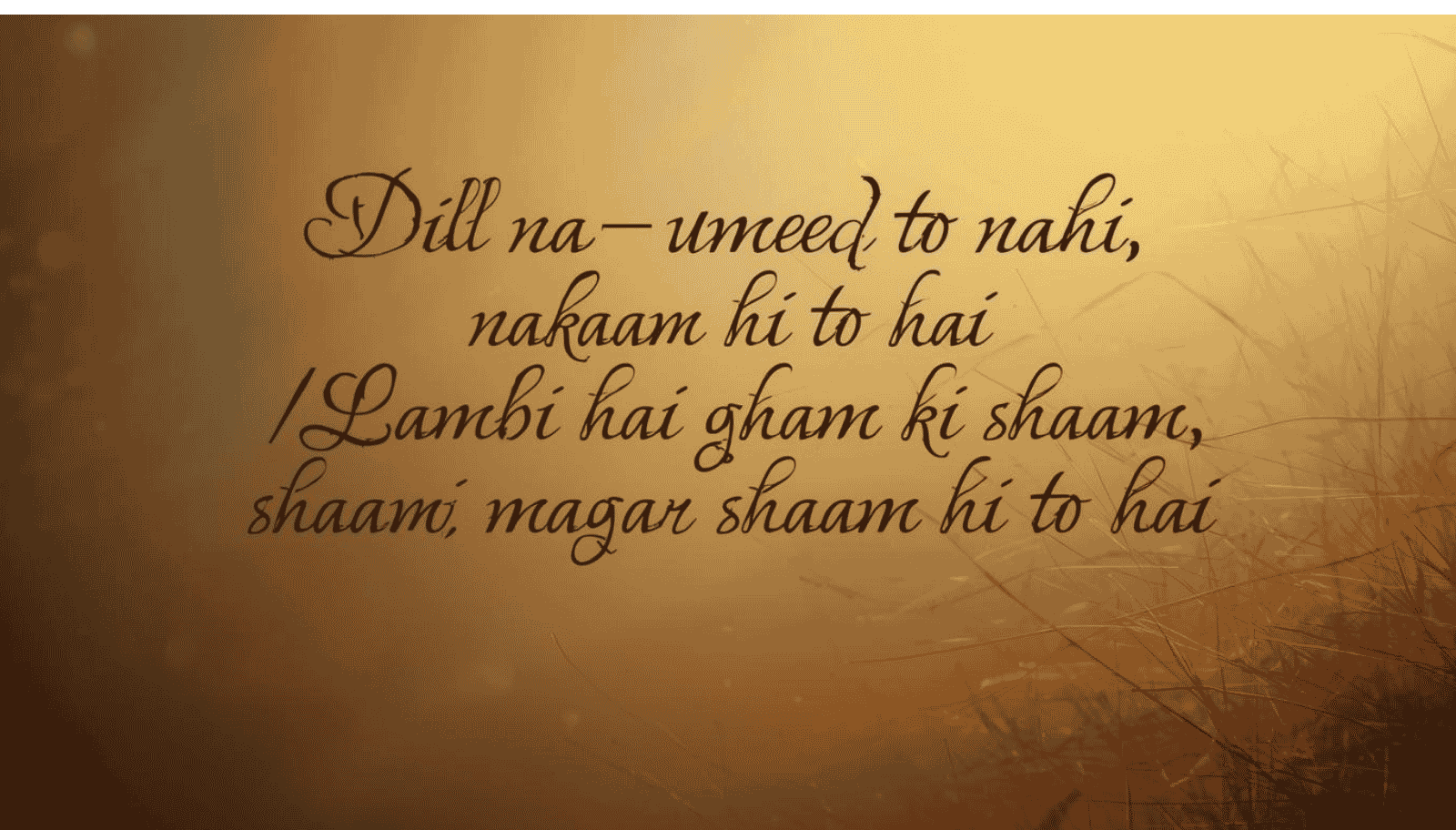
हर रात सोचता हूँ कि भूल जाऊंगा, हर सुबह उठता हूँ और याद आ जाता है। (Every night I think I’ll forget — every morning I wake up and remember.)
These lines don’t just describe heartbreak — they describe the rhythm of it. The false hope of sleep, the ambush of morning. Boys who’ve been through a breakup don’t need these lines explained. They just need to find them.
Dard Bhari Shayari for Boys
Dard — pain — is broader than heartbreak. It’s the accumulation of disappointments, of battles fought alone, of feelings swallowed because there was no safe place to put them.
दर्द को दर्द नहीं कहते यहाँ, लड़के हो, सह लो — यही सुना है हमने। (They don’t call it pain here — you’re a boy, endure it. That’s all we’ve heard.)
This particular shayari resonates so sharply because it names the experience directly: boys are taught to suppress emotion, not process it. The dard that results from years of that suppression is its own category of suffering — one that emotional shayari for boys has always understood.
मुस्कुराता हूँ मैं भी जैसे सब मुस्कुराते हैं, पर अंदर से मैं हर रोज़ टूटता हूँ। (I smile like everyone else does — but inside, I break a little more every day.)
Bewafa Shayari for Boys
Bewafai — betrayal, unfaithfulness — is a wound of a specific shape. It’s not just about losing someone; it’s about the trust that was placed in them, and what happens to you when that trust is broken.
जिस पर भरोसा किया उसी ने तोड़ा, अब भरोसे की आदत नहीं रही। (The one I trusted most was the one who broke me — now I’ve lost the habit of trusting.)
तुमने धोखा दिया तो दिल तो टूटा ही, पर इंसानों पर से यकीन भी उठ गया। (Your betrayal broke my heart — but worse, it broke my faith in people.)
Bewafa shayari for boys isn’t always about a romantic partner. Sometimes it’s a best friend who disappeared when things got hard, or family who failed to show up. The emotion is identical — only the source changes.
Tanhai / Akela Shayari for Boys
Tanhai is loneliness — but not the simple kind. It’s feeling alone in a crowded room. It’s everyone around you laughing while you carry something heavy and invisible.
भीड़ में भी अकेला हूँ मैं, शायद ये तन्हाई अब मेरी पहचान है। (Even in a crowd, I’m alone — maybe this loneliness has become my identity.)
This akela shayari speaks directly to a very modern experience: social media makes everyone look connected, but millions of boys feel completely unseen. The irony of searching for sad shayari for boys on a phone surrounded by notifications — while feeling utterly alone — is not lost on anyone who’s done it.
रात के अँधेरे में मैं अपने दर्द से बात करता हूँ, क्योंकि इंसान तो समझ न सके। (In the dark of night, I talk to my pain — because people couldn’t understand.)
Sad Attitude Shayari for Boys
This category is for the boys who’ve decided they’re done being soft about it. Pain with dignity. Grief with a spine. Sad attitude shayari doesn’t beg — it walks away.
रोया था तेरे जाने पर, अब हँसता हूँ अपनी गलती पर। (I cried when you left — now I laugh at my own mistake for loving you.)
तुम्हें लगा मैं टूट जाऊँगा, पर मैं वो हूँ जो टूट कर भी नहीं झुका। (You thought I’d break — but I’m the kind who breaks without ever bending.)
This tone is hugely popular among boys who are in the recovery phase — still hurting, but refusing to let the pain define them. It’s not denial. It’s self-respect wearing pain as armor.
2 Line Sad Shayari for Boys — WhatsApp Status Ready
The 2 line sad shayari format dominates social media use. Tight, powerful, shareable. These are written for the moment you want your status to say something real without a long explanation.
आँखें नम हैं पर लफ्ज़ नहीं, दर्द बड़ा है पर शब्द कम। (Eyes are wet but words are gone — the pain is too large for language.)
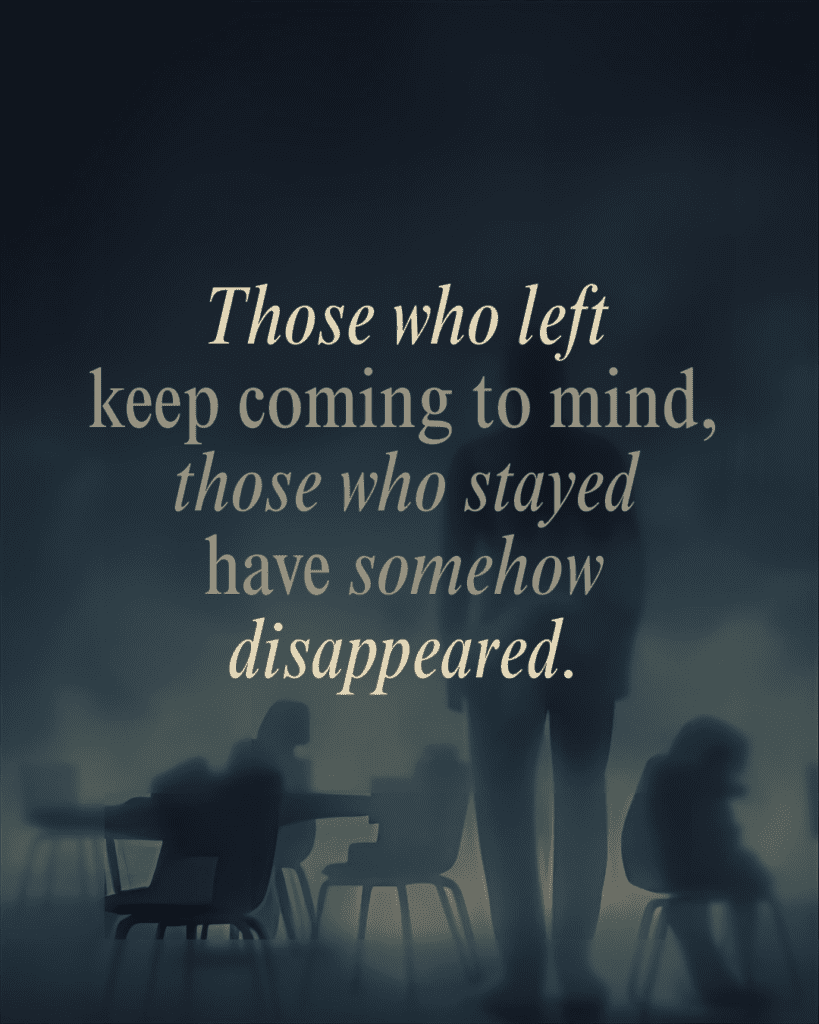
जो छोड़ गए वो याद आते हैं, जो साथ हैं वो नज़र नहीं आते। (Those who left keep coming to mind — those who stayed have somehow disappeared.)
रात और मैं, दोनों अकेले हैं, दोनों को सुबह का इंतज़ार है। (The night and I are both alone — both waiting for morning.)
For WhatsApp status, two-line shayari works best because it fits the preview window, loads fast on mobile, and delivers impact immediately. Pair with a dark or rain background image for maximum effect.
The Poets Behind the Pain: Who Wrote the Shayari Boys Turn To?
Understanding who created this tradition adds another layer to how sad shayari lands. These weren’t just clever wordplays — they were written by men who genuinely suffered.
Mirza Ghalib (1797–1869) is the towering figure of Urdu sad poetry. His verses on unrequited love, mortality, and existential grief have survived 200 years because they capture something permanently human. When a line goes viral on Instagram credited to “Ghalib,” there’s a reason it still resonates.
Mir Taqi Mir, called Khuda-e-Sukhan (God of Poetry), wrote with a rawness that even Ghalib acknowledged. His dard was unfiltered.
Ahmad Faraz (1931–2008) is arguably the poet most beloved by today’s youth. His bewafa shayari and heartbreak lines have a modern directness that bridges classical form with contemporary feeling. Lines like “Ranjish hi sahi, dil hi dukhane ke liye aa” became cultural touchstones.
Rahat Indori and Munawwar Rana, both rooted in India’s mushaira tradition, brought dard bhari shayari to massive popular audiences through live performances — a tradition still very alive in UP, Delhi, and Lucknow.
How to Choose the Right Sad Shayari for Your Situation
Not all shayari are interchangeable. Using the wrong one feels hollow, even to yourself. Here’s a simple framework:
- Just broke up? Go for heartbreak shayari — specifically lines about loss, not anger. Save the bewafa category for after the shock fades and the betrayal sets in.
- Feeling invisible/lonely? Tanhai shayari is your category — it names the specific feeling of being alone in plain sight.
- Betrayed by someone you trusted? Bewafa shayari — but choose lines that reflect what you feel, not just what sounds cool.
- In the recovery phase? Sad attitude shayari — it holds the pain without surrendering to it.
- Just need a status that says something real? 2 line sad shayari — quick, impactful, no over-explanation required.
The key rule: pick the shayari that makes you feel understood — not the one that sounds most impressive to others.
Platform-Specific Tips for Sharing Sad Shayari
| Platform | Best Format | Tips |
| WhatsApp Status | 2-line shayari | Dark background, visible font, 24hr window |
| Instagram Post | 4-line with image | Aesthetic reel or quote card, add poet credit |
| Instagram Story | 1–2 lines | Bold Urdu/Hindi font over a moody background |
| Full shayari with context | Add brief intro; older audience appreciates context | |
| Twitter / X | Single powerful misra | Use #Shayari #Dard #SadPoetry hashtags |
| Snapchat | 1–2 lines on story | Handwritten font adds authenticity |
A Note on Mental Health
Sad shayari for boys is a powerful emotional outlet — and that’s genuinely valuable. Writing or sharing shayari can be cathartic, can open conversations, and can help a boy feel less alone with his pain.
But there’s a difference between using shayari to process emotion and using it to disappear into it. If the sadness feels persistent, consuming, or like it’s getting darker — talking to someone real matters more than finding the perfect line.
Call India: 9152987821 | Vandrevala Foundation: 1860-2662-345
Shayari brought the words. These numbers bring support.
FAQs: Sad Shayari for Boys
Q1: What is the best sad shayari for boys in English?
The best sad shayari for boys in English directly expresses the core emotion — heartbreak, loneliness, or betrayal — without losing its poetic weight. English sad shayari often works best as a translation paired with the Hindi/Urdu original, so the emotional depth of both languages is preserved.
Q2: Which sad shayari is most used as a WhatsApp status by boys?
Two-line sad shayari for boys dominates WhatsApp status use — particularly lines about dard, tanhai, and breakups. The shorter the shayari, the more impact it delivers in the status window. “रात और मैं, दोनों अकेले हैं” is a widely used example.
Q3: Is it okay for boys to post sad shayari publicly?
Absolutely. Sharing emotional shayari is a culturally celebrated act with roots stretching back centuries. It doesn’t signal weakness — it signals self-awareness and connection to a rich literary tradition. Many of the most respected men in South Asian literary history were also its most grief-struck poets.
Q4: What is the difference between dard shayari and heartbreak shayari?
Heartbreak shayari is specifically about romantic loss — the pain of a relationship that ended or love that wasn’t returned. Dard bhari shayari is broader — it covers any deep, persistent pain: life’s failures, loneliness, emotional exhaustion, or grief without a single identifiable source.
Q5: Who are the best poets for sad shayari for boys?
For classical depth: Mirza Ghalib and Mir Taqi Mir. For modern emotional resonance: Ahmad Faraz and Faiz Ahmed Faiz. For contemporary popular shayari: Rahat Indori, Munawwar Rana, and Wasim Barelvi — all deeply rooted in India’s mushaira tradition.
Q6: How do I write my own sad shayari as a boy?
Start with one specific feeling — not a general mood. Find a metaphor from your actual life (rain, a phone screen, an empty chair). Write the emotion in the first line. Subvert or deepen it in the second. Simple Urdu and Hindi words work better than complicated ones. Insight is what makes a sher powerful, not vocabulary.
Q7: Can sad shayari actually help with emotional pain?
Yes — within limits. Sad poetry for boys functions as catharsis: it names the pain, which reduces its psychological weight. Research in expressive arts consistently shows that articulating emotion — even through someone else’s words — reduces emotional intensity. However, if sadness is persistent or severe, professional support matters more than any poem.
Conclusion
Sad shayari for boys has never just been about finding a good status line. It’s about finding proof that what you’re feeling is real, that someone else felt it too, and that it was worth putting into words.
From the courts of Mughal Delhi to a phone screen in Lucknow at midnight — the tradition has carried the same message across centuries: your pain is not shameful, it is human, and it deserves language.
Use these lines when you need them. Share them when words fail you. And if the pain ever feels bigger than any shayari can hold — reach out to someone who can actually hold it with you.
The words got you here. Now let someone real take it from here.