

Introduction: Beautiful Romantic Poetry to Express Your Heart
When words fail to capture the depth of your feelings, love Hindi shayari becomes the language of the heart. This beautiful form of romantic poetry has touched millions of souls across generations, offering a sophisticated way to express emotions that ordinary language simply cannot convey.
Love shayari represents more than just pretty verses—it’s a cultural treasure that blends Urdu elegance with Hindi accessibility, creating poetry that resonates with anyone who has ever experienced the complexities of romance, longing, or heartbreak.
What Is Love Hindi Shayari?
Love Hindi shayari is romantic poetry expressed through metaphorical Urdu-Hindi verses, using couplets (sher), rhyme schemes, and literary devices to convey emotions like love, longing, heartbreak, and passion. Unlike simple quotes, shayari employs intricate symbolism—nightingales representing devoted lovers, roses symbolizing beloved beauty, and tears expressing sincere emotion.
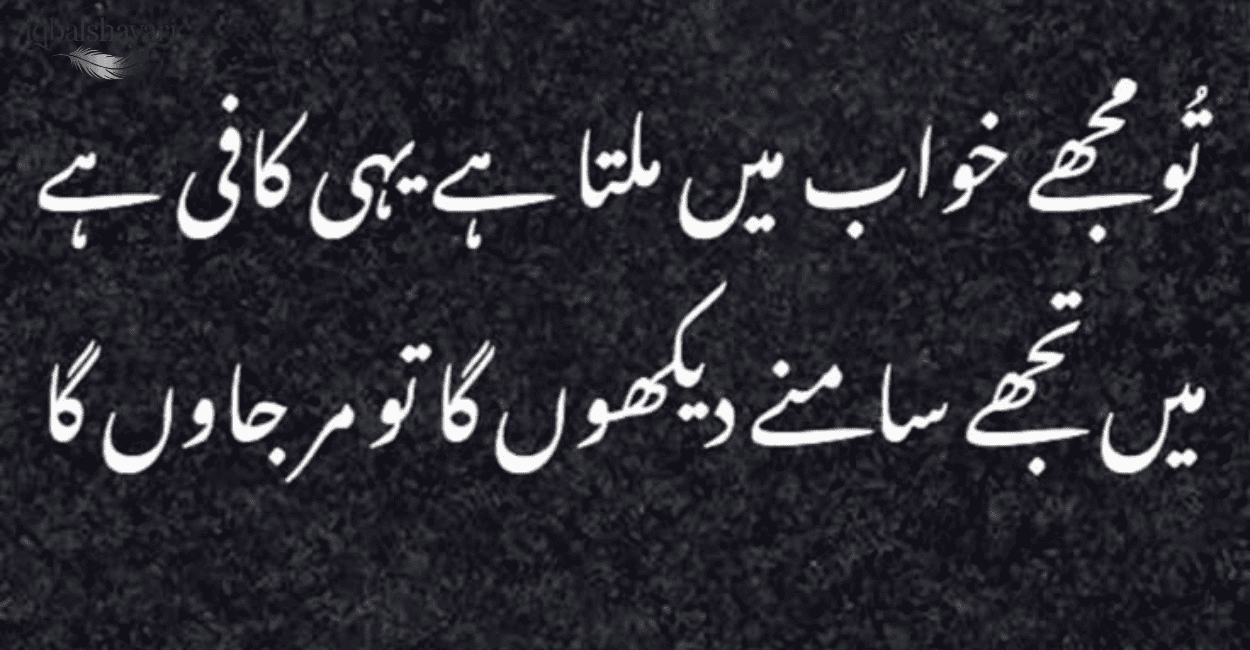
This poetic form originated from Persian ghazal traditions dating back to the 10th century, eventually flourishing in India during the Mughal Empire. Today, it serves as the preferred medium for expressing romantic feelings across South Asian communities worldwide, particularly within the USA’s vibrant diaspora population.
The beauty of Hindi shayari lies in its dual nature: sophisticated enough to impress literary enthusiasts, yet accessible enough for anyone to share on WhatsApp or Instagram. Whether you’re confessing your feelings, processing a breakup, or celebrating an anniversary, there’s a shayari that perfectly captures your emotional state.
Why Love Shayari Resonates So Deeply
Romantic Hindi shayari provides emotional precision that everyday conversation cannot achieve. When you tell someone “I miss you,” it’s meaningful but limited. When you share “Tumhari yaad aati hai jab gham barh jaata hai, kabhi dil behal hota hai, kabhi aashiq behal ho jaata hai” (Your memory comes when sorrow deepens; sometimes the heart falters, sometimes the lover), you’re painting a complete emotional landscape.
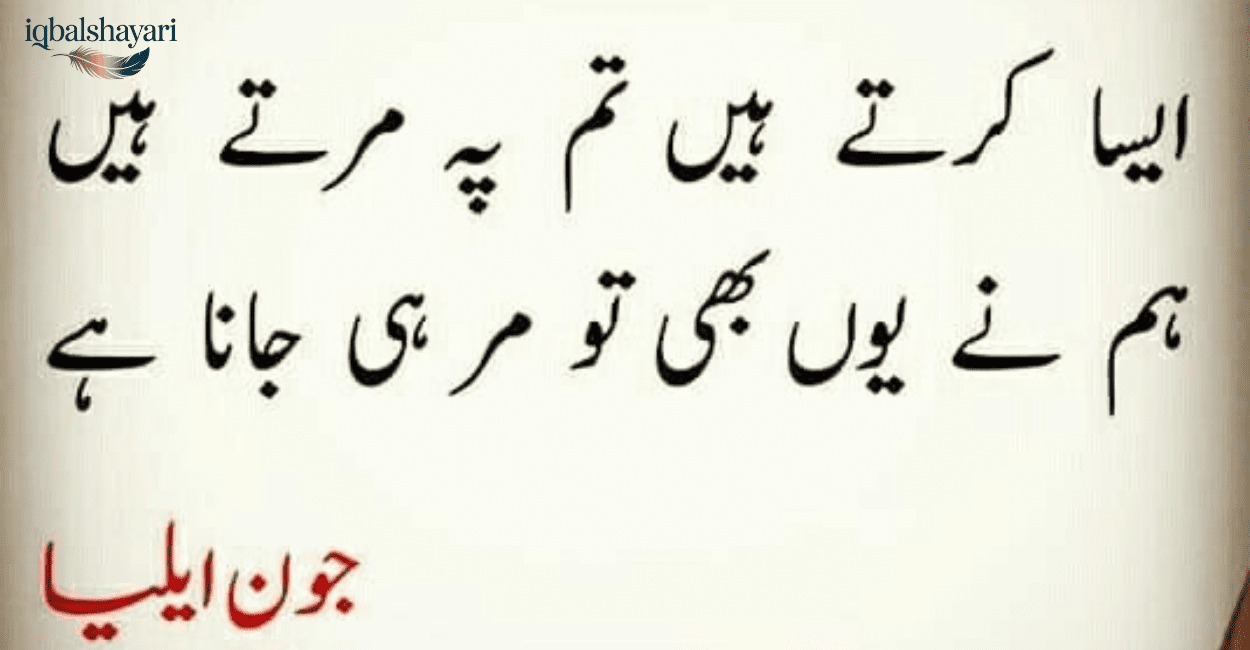
For second-generation South Asians in the USA, shayari serves as a cultural bridge. It connects them to their heritage while providing a sophisticated vocabulary for modern relationships. Many young people discover that sharing Urdu poetry helps them express vulnerability in ways that English sometimes cannot.
The therapeutic aspect shouldn’t be overlooked either. Reading or writing shayari during heartbreak helps process complex emotions. The structured format gives chaos a container, while the beauty of the language transforms pain into art.
Understanding Different Types of Shayari
Ghazal represents the most prestigious form—a series of rhyming couplets (typically 5-12) where each couplet stands alone thematically. The first couplet (matla) establishes the rhyme scheme, while the final couplet (maqta) often includes the poet’s pen name. Famous poets like Mirza Ghalib and Faiz Ahmad Faiz mastered this form, creating verses that remain quotable centuries later.
Nazm offers more flexibility as free-form poetry with a continuous narrative. Unlike ghazals where each couplet is independent, a nazm tells one complete story or develops a single argument throughout. This makes it perfect for describing a complete love story from meeting to separation.
Sher is a single two-line couplet that works independently—the most shareable format for social media. You’ve likely seen these on Instagram: compact, powerful, and complete within just two lines. They’re perfect for text messages or WhatsApp status updates.
Rubai consists of four-line stanzas with AABA or AAAA rhyme schemes. These quatrains work beautifully for brief romantic observations or witty expressions of love that need slightly more space than a sher but less than a full nazm.
Beautiful Love Shayari Examples
Deep Love and Devotion
“Mohabbat mein nahin hai farq jeene aur marne ka
Usi ko dekh kar jeete hain, jis kaafir pe dam nikle”
(In love, no difference exists between living and dying / We live seeing the one for whom we’d sacrifice our breath)
“Tum itna jo muskura rahe ho, kya gham hai jisko chhupa rahe ho”
(Why do you smile so much—what sorrow are you hiding behind it?)
“Tumse milne ki koi wajah nahi chahiye
Dil ko tumhare paas hone ki ijazat chahiye”
(No reason needed to meet you / My heart just needs permission to be near you)
Unrequited Love and Longing
“Tujhse na ho paayi baat, to kya gham hai
Dil mein teri baat hai, yahi kam nahi”
(If I couldn’t talk to you, what sorrow? / You’re in my heart—isn’t that enough?)
“Woh humse mohabbat nahi karte
Magar hum unke deewane hain”
(They don’t love me back / But I remain crazy for them)
“Aankhon mein nami, dil mein tum
Yahi hai meri zindagi ka maksad”
(Tears in eyes, you in heart / This is my life’s entire purpose)
Separation and Missing Someone
“Tumhari yaad aa rahi hai, bahut yaad aa rahi hai
Dil ko teri zaroorat hai, tujhe kasam aa rahi hai”
(Missing you so much, so very much / My heart needs you, I swear this is true)
“Kaise kahoon kitna yaad aate ho
Har pal, har lamha, har saans mein tum ho”
(How can I say how much I miss you / Every moment, every breath contains you)
Celebrating Your Beloved’s Beauty
“Teri aankhon mein woh jadoo hai
Jise dekh kar dil kho jaata hai”
(Your eyes possess that magic / Seeing which my heart gets completely lost)
“Tumhari muskurahat se roshan hai yeh duniya
Tumhari baaton mein hai pyaar ka tarana”
(This world brightens with your smile / Your words contain love’s sweetest melody)
First Love Magic
“Pehli nazar mein hi dil de baitha
Tumne bhi jaadu kiya, ya main hi kho baitha”
(Lost my heart at the very first sight / Did you cast a spell, or did I just lose myself?)
“Tumse milne ke baad zindagi badal gayi
Har ek saans mein bas teri khushbu aa gayi”
(Life transformed completely after meeting you / Every breath now carries only your fragrance)
Heartbreak and Moving Forward
“Bewafa nikle tum, phir bhi tumhe chaahte hain
Yahi to hai mohabbat ki nishani”
(You proved unfaithful, yet I still love you / This is love’s truest sign, isn’t it?)
“Kho diya jo tumne humko
Mila na aisa koi aur, jo tumhari jagah le sake”
(When you lost me that day / You never found another who could take my place)
Modern Love for Social Media
“Tum ❤️ = Meri Duniya 🌍”
(You equal my entire world)
“Status: Tumhare pyaar mein kho gaya”
(Status: Lost in your love)
“Notification: Tumhari yaad aa gayi 💕”
(Notification: Your memory just arrived)
How to Write Your Own Love Shayari
Start by choosing one specific emotion you want to express—don’t try capturing everything at once. Are you feeling joy, longing, gratitude, or heartbreak? Clarity about your emotional state creates focused poetry.
Select a simple format for your first attempts. A basic sher (two-line couplet) works perfectly for beginners. Don’t attempt complex ghazals until you’ve mastered shorter forms.
Write your message in plain prose first: “I cannot stop thinking about you and it hurts.” This becomes your foundation. Now transform it using poetic devices—metaphors (beloved as moon, eyes as wine), exaggeration (moments feel like centuries), and symbolism (tears forming rivers).
Create rhythmic lines by reading aloud repeatedly. Your ears will catch awkward rhythm breaks that your eyes might miss. The lines don’t need perfect meter initially, but they should flow naturally when spoken.
Example transformation:
Plain: “I miss you constantly”
Shayari: “Tumhari yaad har pal saath rehti hai, dil ko chain nahi aata” (Your memory accompanies every moment, my heart finds no peace)
Common Mistakes to Avoid
Never use clichéd comparisons that have been repeated millions of times. “Chaand jaisa chehra” (moon-like face) or “sitaron jaisi aankhein” (star-like eyes) mark you as inexperienced. Create fresh, personal metaphors drawn from your own observations and experiences.
Always credit original poets when sharing famous shayari. Claiming Ghalib’s or Mir’s work as your own is disrespectful plagiarism. The South Asian literary community values attribution deeply.
Avoid mixing too many languages unnecessarily. While modern shayari can include strategic English words, excessive mixing destroys the poetic flow. Use English only when no Hindi/Urdu equivalent captures your meaning.
Don’t sacrifice meaning for rhyme. Forced rhyming creates awkward, confusing verses. If you can’t make something rhyme naturally, consider free verse nazm instead of rigid ghazal structures.
Famous Shayari Poets You Should Know
Mirza Ghalib (1797-1869) revolutionized Urdu poetry by introducing philosophical depth and psychological complexity. His verses require interpretation, offering multiple meaning layers. His shayari about desire and unfulfilled longing remains profoundly relevant: “Hazaaron khwahishen aisi ke har khwahish pe dam nikle” (Thousands of desires, each worth dying for).
Faiz Ahmad Faiz (1911-1984) blended romantic and political themes, making love poetry socially relevant. His progressive approach influenced generations of poets, showing how personal emotion connects to larger human struggles.
Gulzar (1934-present) brings literary quality to Bollywood, bridging classical traditions with modern sensibilities. His simple yet profound language makes shayari accessible to younger generations who might find classical forms intimidating.
For the USA diaspora, these poets represent cultural touchstones—knowing their work helps maintain connection to heritage while developing your own poetic voice.
Sharing Shayari in the Digital Age
Instagram thrives on visually appealing shayari posts. Create graphics with high-contrast colors, readable fonts (Noto Sans Devanagari for Hindi works beautifully), and complementary backgrounds. Square format (1080x1080px) ensures your content displays properly in feeds.
Use relevant hashtags strategically: #LoveShayari, #HindiShayari, #UrduPoetry, #RomanticShayari. Research shows posts with 8-12 hashtags perform best, mixing popular tags (broader reach) with niche tags (targeted audience).
WhatsApp status updates work best with 1-2 line shayari that fits screens without scrolling. Update regularly—daily posts keep you visible to contacts. Add subtle emojis sparingly; they shouldn’t overwhelm the poetry itself.
For YouTube content, create lyrical videos with background music, voice recitation over visuals, or explanation videos breaking down famous shayari meanings. Optimize titles like “Beautiful Love Shayari in Hindi | Romantic Poetry | Heartbreak” to capture search traffic.
Understanding Cultural Context and Symbols
The nightingale (bulbul) always represents the devoted lover who sings eternally for the rose. The rose (gul) symbolizes the beautiful beloved—desirable yet surrounded by protective thorns. When you read about a nightingale’s devotion to the rose, it’s describing a lover’s passionate pursuit despite obstacles.
Wine (sharaab) and taverns (maikhana) appear frequently despite religious prohibition of alcohol. In Sufi poetry tradition, wine represents spiritual intoxication and divine love rather than literal drinking. The wine-seller (saqi) becomes the beloved or spiritual guide.
Understanding references to legendary lovers enriches your appreciation. Laila-Majnu represents impossible, all-consuming love that drives the lover (Majnu/Qais) to madness. Heer-Ranjha tells of a tragic Punjabi romance ending in death. When someone says “Majnu jaisa ho gaya hoon,” they’re claiming to have become hopelessly devoted.
For USA-based readers unfamiliar with these cultural touchstones, taking time to learn these references transforms shayari from pretty words into deeply meaningful poetry.
Using Shayari for Different Relationship Moments
Apologizing after conflicts needs humble, sincere verses: “Mujhse galti ho gayi, maaf kar do mujhe, tumhare bina jeena ab mushkil hai” (I made a mistake, please forgive me; living without you is now difficult). Acknowledge wrongdoing while expressing genuine remorse.
Long-distance relationships thrive on reassuring shayari: “Doori hai, par dil kareeb hai, tumhari yaadein har pal saath hai” (Distance exists, but hearts remain near; your memories accompany every moment). These verses bridge physical separation with emotional presence.
Celebrating anniversaries by milestone allows progression. First anniversary might use excited, discovery-focused shayari, while tenth anniversary verses reflect deeper, mature commitment and shared history.
The USA Diaspora Experience with Shayari
Second-generation South Asians often discover shayari as adults, seeking cultural connection their childhood might have lacked. Learning to appreciate and write Hindi shayari becomes an act of heritage reclamation—a way to access ancestral wisdom about love and emotion.
Teaching American partners about shayari traditions creates beautiful intercultural moments. Explaining the symbolism, sharing favorite verses with translations, and perhaps even writing personalized shayari for them bridges cultural worlds through the universal language of love.
Many USA-based South Asian couples incorporate shayari into their wedding ceremonies—having friends recite romantic verses during receptions, printing favorite shers on invitations, or using ghazal singers for entertainment. These fusion traditions honor heritage while creating contemporary celebrations.
Finding Authentic Resources and Communities
Rekhta.org hosts the largest online Urdu poetry database with thousands of poets’ complete collections, audio recitations, meanings, and explanations. Their app provides daily shayari notifications and learning modules for beginners.
Join Facebook groups like “Urdu Shayari Lovers” or “Hindi Poetry Appreciation” to connect with fellow enthusiasts. These communities offer feedback on original work, help with translations, and share rare classical pieces.
For in-person connection, search for mushaira events in major metros. New York, Chicago, Houston, and Bay Area host regular poetry gatherings where you can experience live recitation’s powerful emotional impact. University South Asian student associations often organize cultural nights featuring shayari performances.
YouTube channels like “Urdu Poetry Explained” break down famous shayari line-by-line, while “Classical Ghazal Tutorials” teach composition techniques. Subscribe to several channels for diverse perspectives and teaching styles.
Frequently Asked Questions
Can I write shayari without knowing Urdu?
Yes, absolutely. You can write shayari in Hindi with Urdu-influenced vocabulary. Modern shayari often uses simpler Hindustani (conversational Hindi-Urdu mix) rather than pure classical Urdu. Start by reading Hindi shayari extensively, learning common Urdu words used in poetry (dil, ishq, mohabbat, ishq), understanding basic structures, and practicing regularly. Many successful contemporary poets write primarily in Hindi with selective Urdu terms for poetic effect.
What’s the difference between shayari and regular poetry?
Shayari is a specific form of Urdu-Hindi poetry following classical structures like ghazal, nazm, and sher with defined rhyme schemes, meters, and cultural conventions. It specifically uses Urdu-Hindi vocabulary and draws from Persian-Arabic literary traditions. General poetry encompasses all verse forms across all languages without specific structural requirements, including free verse, sonnets, haiku, and unlimited other forms.
How long does it take to learn to write good shayari?
Basic shayari composition can be learned in 2-3 months with daily practice, but mastering the art takes years. Expect this timeline: Month 1-2 for understanding structures and reading 100+ examples. Month 3-4 for writing simple shers and rubais. Month 6-12 for developing personal style and writing coherent nazms. Year 2-3 for attempting ghazals with consistent quality. Consistent practice—writing at least one sher daily—accelerates progress significantly.
What are the most famous love stories referenced in Hindi shayari?
Laila-Majnu (Qais and Laila’s unfulfilled love driving Qais to madness), Heer-Ranjha (Punjabi tragic romance ending in death), Shirin-Farhad (Persian tale of impossible love), Sohni-Mahiwal (lovers separated by river, drowning in pursuit), and Radha-Krishna (divine love representing spiritual union) appear most frequently. References invoke entire relationship dynamics: “Majnu jaisa” means devotedly mad with love, while “Laila ki tarah” means unattainably beautiful.
Is it okay to use English words in Hindi shayari?
Modern shayari increasingly incorporates English words reflecting contemporary life, especially in informal contexts and social media. This is acceptable when: the English word has no exact Hindi/Urdu equivalent, it’s commonly used in daily conversation (message, phone, coffee), it enhances relatability for younger audiences, or adds contemporary flavor. However, avoid excessive mixing that destroys poetic flow, using English where perfectly good Hindi/Urdu words exist, or breaking classical meter unnecessarily.
Where can I find authentic shayari collections?
Rekhta.org offers the largest database with thousands of poets’ works, audio recitations, and meanings. For books, purchase Diwan-e-Ghalib (Ghalib’s complete collection), Kulliyat-e-Mir (Mir’s works), and compilations from Penguin India or Oxford India. Mobile apps like the Rekhta App, Shayari App, and Hindi Shayari SMS provide categorized collections. YouTube channels feature professional recitations. For USA audiences, Amazon and Flipkart ship poetry books internationally.
How do I know if my shayari’s meter is correct?
Test meter by reading aloud naturally—stumbling indicates meter breaks. Tap rhythm on a table while reciting to ensure consistent pattern. Compare your work against established shayari in the same meter. Count syllables to ensure lines have matching counts. Get feedback from experienced readers who can identify awkward spots. Modern conversational shayari allows more flexibility than classical forms, so if you’re unsure, focus on emotional impact over strict metrical perfection when starting.
What’s the best shayari for proposing love?
Choose clear, heartfelt shayari avoiding ambiguity in romantic context. Good examples include: “Tumse mohabbat ho gayi hai mujhe, kya tum mera saath dogi zindagi bhar?” (I’ve fallen in love with you—will you accompany me lifelong?). “Zindagi mein tum aa jao, khushiyon ka jashn mana loon“ (Come into my life, let me celebrate happiness). Best proposals use sincere, direct language rather than complex metaphors, clearly express feelings, ask for commitment, and match your relationship’s intimacy level.
Conclusion
Love Hindi shayari offers far more than beautiful words—it provides a sophisticated emotional vocabulary that connects you to centuries of literary excellence while expressing feelings that ordinary language cannot capture. Whether you’re seeking the perfect verse to share with your partner, learning to write your own romantic poetry, or connecting with your South Asian heritage, shayari opens doors to profound self-expression.
The journey from reader to writer to master remains open to everyone willing to invest time and genuine emotion. Start by reading extensively, practice daily with simple shers, and gradually build toward more complex forms. Remember that authenticity matters more than technical perfection, especially when starting.
Every shayari you read enriches your emotional vocabulary. Every verse you write strengthens your creative voice. Every poem you share creates connection—with partners, with heritage, with the universal human experience of love in all its beautiful complexity.
“Mohabbat ki zaban samajhne wale kam hain, jo samjhe wo khush-nasib hain” (Few understand the language of love; those who do are truly fortunate).