
Introduction: The Ultimate Guide to Romantic Poetry, Writing Tips, and Cultural Expression
When words fall short of expressing the depth of your feelings, love Hindi shayri becomes the voice of your heart. This timeless form of romantic poetry has captivated millions across generations, blending the lyrical beauty of Urdu and Hindi to create verses that resonate with anyone who has ever experienced the complexities of love.
Love Hindi shayri is more than just poetry—it’s a cultural bridge connecting traditional South Asian literary heritage with modern digital expression. Whether you’re looking to express love through shayari, impress someone special, or simply appreciate the art form, understanding its nuances opens up a world of emotional depth and linguistic elegance.
What Is Love Hindi Shayri?
Love Hindi shayri refers to romantic Urdu-Hindi poetry that expresses profound emotions through metaphorical couplets called “sher.” Rooted in Persian-Mughal literary traditions, this poetry form uses vivid imagery—like the moon (chaand), eyes (aankhein), and heart (dil)—to convey passion, longing, separation, and devotion through rhythmic patterns and specific rhyme schemes.
Unlike straightforward love letters or messages, shayari layers meaning through symbolism. A single couplet can simultaneously express joy, pain, hope, and despair, making it the preferred medium for those seeking to articulate complex romantic feelings.
The beauty of love shayari lies in its accessibility. You don’t need to be a poet or scholar to appreciate or share it. In the USA, where millions of Indian-Americans and South Asian diaspora communities thrive, shayari serves as a cultural touchstone—a way to maintain linguistic heritage while navigating modern romantic relationships.
Why Love Shayari Matters in Modern Romance
In an age dominated by instant messaging and emoji-filled texts, love Hindi shayri offers something profoundly different: emotional sophistication wrapped in artistic expression.
When you share romantic shayari instead of typing “I miss you,” you demonstrate cultural appreciation, emotional intelligence, and a willingness to invest effort in communication. This distinction matters, especially in Desi dating culture where indirect expression often carries more weight than blunt declarations.
Shayari also solves a common problem for second-generation Americans and ABCDs (American Born Confused Desis): how to connect with cultural roots while living thoroughly modern lives. Learning and sharing shayari bridges this gap without requiring fluency in Hindi or Urdu—many beautiful verses work perfectly in Roman script with English translations.
The rise of Instagram, WhatsApp, and TikTok has given shayari new life. Visual quote cards featuring two-line shayari regularly go viral, while Bollywood songs continue incorporating poetic verses that introduce younger audiences to this art form.
Understanding the Cultural Foundation
Love Hindi shayri emerged from centuries of Indo-Persian literary exchange, particularly flourishing during the Mughal Empire. Cities like Lucknow and Delhi became centers of Urdu poetry, where mushairas (poetry gatherings) attracted thousands eager to hear master poets perform.
The Hindi-Urdu language blend makes shayari unique. While Urdu provides the classical poetic vocabulary and structure, Hindi offers broader accessibility, especially in North India and diaspora communities worldwide. This linguistic fusion allows shayari to be both traditionally rooted and contemporarily relevant.
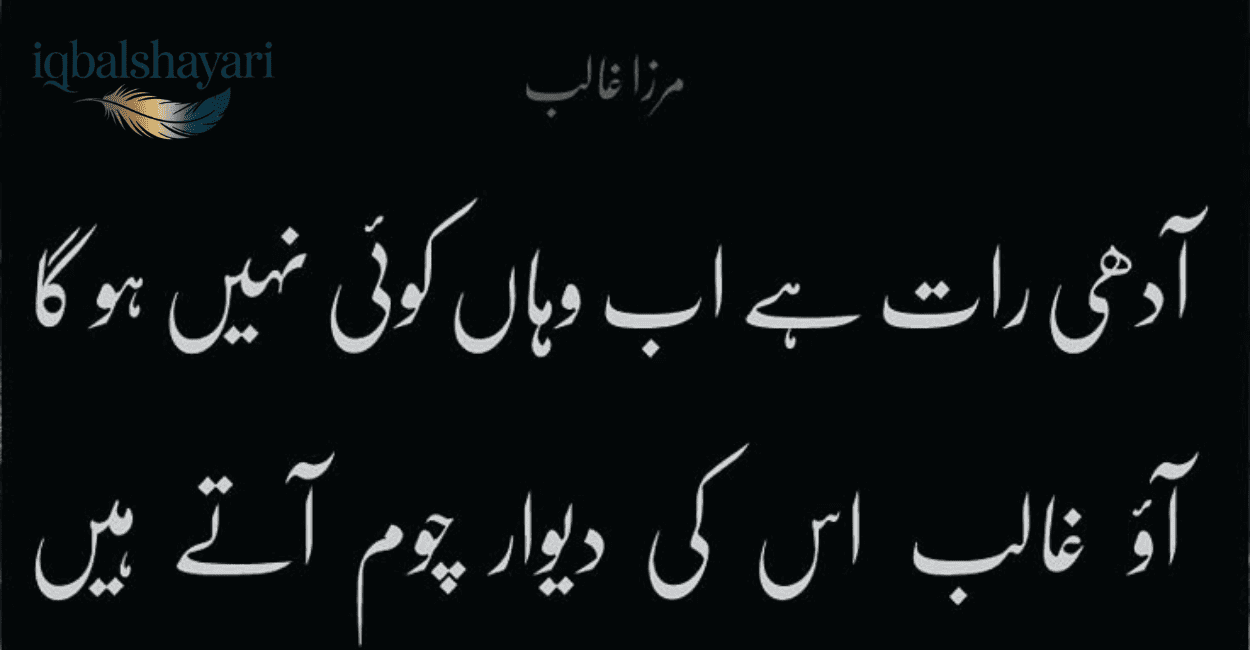
Understanding this heritage enriches appreciation. When you read Mirza Ghalib‘s verses about love’s contradictions or Faiz Ahmed Faiz’s revolutionary romanticism, you’re not just enjoying poetry—you’re participating in a conversation spanning centuries.
Types of Love Hindi Shayari
Romantic Love Shayari expresses pure admiration, attraction, and passionate feelings. These verses celebrate the beloved’s beauty, the joy of togetherness, and the intoxication of new love. Perfect for anniversaries, proposals, or simply reminding your partner why they matter.
Example: Tumhari muskaan mein woh roshni hai, jo andheron ko bhi noor bana deti hai. (In your smile is that light, which turns even darkness into brightness.)
Sad Love Shayari (also called dard bhari shayari) captures heartbreak, separation (judai), and unrequited love (ek tarfa mohabbat). These verses provide catharsis during painful times, validating emotions through beautiful language.
Example: Mohabbat mein khamoshi bhi bol jaati hai, juda hoke bhi teri yaad saath rehti hai. (In love, even silence speaks; even after separation, your memory stays with me.)
Two-Line Love Shayari (do line shayari) offers compact emotional impact—ideal for WhatsApp status, Instagram captions, or quick text messages. Despite brevity, these couplets pack profound meaning into minimal words.
Deep Love Shayari explores philosophical dimensions of love, questioning its nature, permanence, and meaning. These verses appeal to those seeking intellectual and emotional depth in romantic expression.
Flirty Love Shayari uses playful language and teasing metaphors to create romantic tension. Perfect for early dating phases or maintaining spark in established relationships.
Long-Distance Love Shayari specifically addresses the pain and hope of separated lovers—increasingly relevant for international couples, military families, or anyone navigating physical distance while maintaining emotional connection.
How to Write Love Hindi Shayari: A Practical Guide
Writing love shayari begins with identifying your specific emotion. Are you expressing gratitude, longing, joy, frustration, or hope? Clarity about your emotional state guides everything else.
Next, select metaphors that resonate with your feeling. Traditional shayari imagery includes:
- Chaand (moon) for beauty and brightness
- Sitare (stars) for dreams and destiny
- Saawan (monsoon) for romance and renewal
- Raah (path) for life’s journey together
- Dhadkan (heartbeat) for life essence
Create two lines with approximately 11-15 syllables each. This meter (called bahar in classical terminology) creates rhythmic flow when spoken aloud. Don’t obsess over perfect syllable counts initially—focus on natural speech rhythm.
Establish a rhyme scheme. The simplest approach: make both lines end with rhyming words. For example, ending Line 1 with “hai” and Line 2 with “jaati hai” creates connection through sound.
Read your shayari aloud multiple times. Does it flow naturally? Would you actually say these words to someone? If it sounds forced or awkward, simplify the language.
Most importantly, ensure emotional authenticity. The best love shayari comes from genuine feeling, not forced sentiment. Write what you actually feel, then polish the language to achieve poetic quality.
Famous Poets Every Shayari Lover Should Know
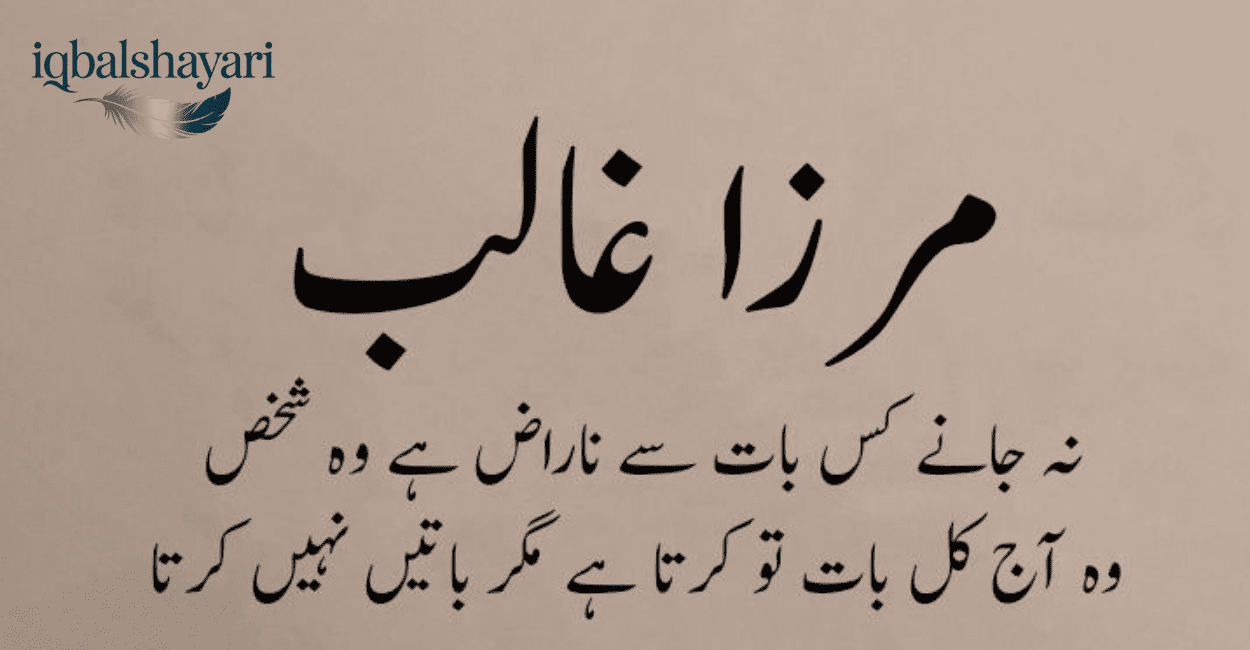
Mirza Ghalib (1797-1869) remains the undisputed master of Urdu poetry, known for philosophical depth and contradictory explorations of love. His verses question love’s logic while celebrating its irrationality.
Faiz Ahmed Faiz (1911-1984) merged romantic expression with social consciousness, creating love poetry that felt both intimate and universal. His work remains widely quoted in Pakistan and India.
Gulzar (born 1934) brought shayari into contemporary Bollywood, creating lyrics that feel conversational yet poetic. His accessibility makes him perfect for shayari beginners.
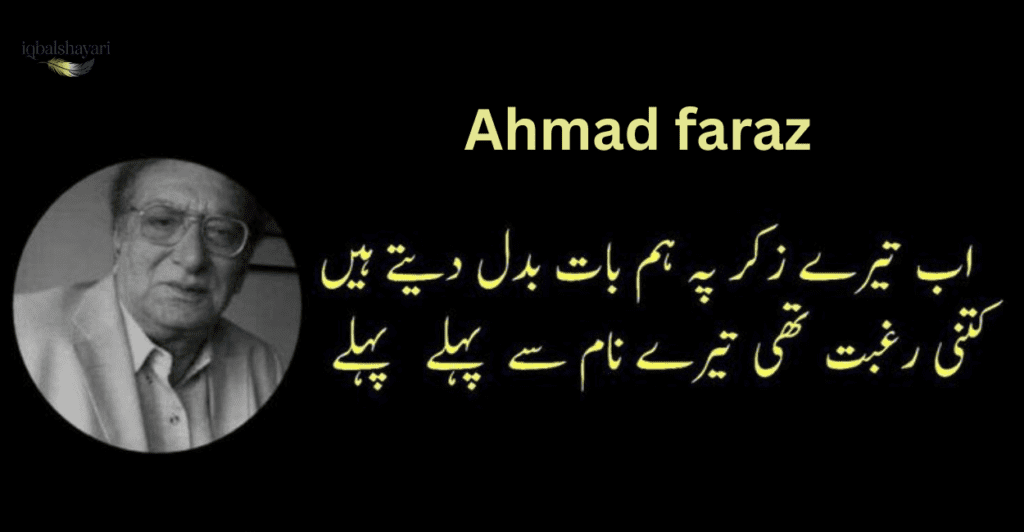
Ahmad Faraz (1931-2008) specialized in modern romantic expression, using relatively simple Urdu-Hindi that resonates with younger audiences while maintaining classical quality.
Javed Akhtar (born 1945) represents the bridge between traditional shayari and commercial film lyrics, proving that poetic quality and mass appeal can coexist.
For USA-based enthusiasts, these poets’ works are readily available on Rekhta.org, through YouTube recitations, and in translated collections from major bookstores.
Using Love Shayari for Social Media Success
Instagram thrives on visually appealing shayari content. Create quote cards with clean typography, aesthetic backgrounds, and 2-4 line verses. Always add English translations to expand your audience beyond Hindi-Urdu speakers.
Use strategic hashtags: #LoveShayari, #HindiPoetry, #UrduShayari, #RomanticShayari, #Rekhta. Research trending tags in Desi poetry communities to maximize reach.
For WhatsApp status, brevity matters. Single powerful lines (misra) or compact couplets work best. Update regularly to maintain engagement, and use emojis sparingly—one heart or moon emoji enhances without overwhelming.
TikTok and Instagram Reels present opportunities for shayari recitation videos. Your voice delivering verses with emotion often creates deeper impact than text alone. Background music from Bollywood or ambient instrumentals enhances mood.
Facebook accommodates longer ghazals or explanatory posts where you share a favorite poet’s work with personal commentary about why it resonates.
Always attribute famous shayari to original poets. This demonstrates cultural respect, builds credibility, and educates your audience about Urdu literature heritage.
Navigating Love Shayari in American Dating Culture
For USA-based Desi youth, integrating shayari into dating requires cultural awareness. Not everyone you date will understand Hindi-Urdu references or appreciate poetic indirectness.
When dating within South Asian communities, shayari generally enhances romantic communication, signaling cultural connection and emotional sophistication. Sharing verses demonstrates investment in relationship quality.
In cross-cultural relationships, context matters. Introduce shayari gradually with full English translations and explanations. Frame it as sharing your cultural heritage rather than testing knowledge. Most partners appreciate learning about traditions important to you.
Avoid overly intense or possessive shayari early in relationships. Western dating culture values directness and equality—extremely passionate verses about dying without someone might feel overwhelming rather than romantic.
Long-distance relationships particularly benefit from shayari. Verses about intezaar (waiting) and yaad (remembering) articulate feelings that time zones and distances create.
Common Mistakes to Avoid
Plagiarism without attribution remains the biggest error. Claiming famous poets’ work as your own destroys credibility instantly. Always credit Ghalib, Faiz, or whoever authored verses you share.
Forced rhyming that sacrifices meaning produces awkward results. If achieving a rhyme requires unnatural word order or obscure vocabulary, reconsider the line entirely.
Overcomplicated Urdu alienates audiences. Unless writing for classical poetry enthusiasts, prioritize clarity. Simple language delivered with genuine emotion outperforms complex vocabulary lacking heart.
Wrong occasion selection creates awkward moments. Sending breakup shayari on an anniversary or celebrating verses during relationship conflict shows poor judgment.
Ignoring Romanization limits reach, especially in USA where many heritage speakers read Hindi-Urdu only in Roman script. Include transliteration alongside Devanagari when possible.
Tools and Resources for Shayari Enthusiasts
Rekhta.org stands as the definitive Urdu poetry archive, offering thousands of verses with audio pronunciations, translations, and poet biographies. Their mobile app brings this library to your phone.
YourQuote app builds community around Hindi-Urdu poetry, allowing you to publish original shayari, receive feedback, and discover emerging poets.
Google Input Tools simplifies typing Hindi and Urdu on English keyboards, essential for creating authentic-looking social media posts.
Instagram accounts like @urdupoetrylover, @shayarilove, and @rekhta provide daily inspiration with high-quality shayari selections.
For learning, Udemy and Coursera offer Urdu language courses that include poetry components. Local community centers in cities like Edison, New Jersey, Jackson Heights, New York, Fremont, California, and Chicago suburbs often host mushaira events and language classes.
Books remain invaluable. Collections by Ghalib, Faiz, and modern anthologies provide deep immersion. Many major USA bookstores stock South Asian literature sections, or order through online retailers.
Regional Considerations Across the USA
New York-New Jersey area, particularly Edison and Jersey City, hosts the largest South Asian population concentration in the USA. Mushaira events occur regularly, and finding Urdu-speaking communities for practice is relatively easy.
California’s Bay Area (Fremont, Sunnyvale) and Los Angeles (Artesia) feature growing Desi cultural scenes with poetry appreciation groups, especially among tech-sector professionals seeking cultural connection.
Texas cities (Houston, Dallas, Austin) show rapidly expanding Indian-American communities where shayari appreciation is growing but infrastructure (events, classes) remains developing compared to coastal metros.
Chicago suburbs (Naperville, Schaumburg) maintain established Desi communities with traditional cultural values, making shayari highly appreciated in social gatherings and wedding ceremonies.
Atlanta represents an emerging hub where younger, often second-generation audiences engage shayari primarily through digital platforms rather than traditional mushairas.
The Business of Shayari: Commercial Considerations
Content creators monetizing shayari face unique considerations. Original verses you write are yours to use commercially, but sharing famous poets’ work requires understanding copyright.
Classical poets (pre-1920s) like Ghalib and Mir exist in public domain—their work is freely shareable. Modern poets’ work remains copyright protected, requiring permission for commercial use beyond fair use parameters.
Instagram influencers and YouTube creators building audiences around shayari should develop original content while occasionally featuring classic works with proper attribution. Monetization through ads, sponsorships, or Patreon becomes viable once audiences reach critical mass.
Greeting card companies, app developers, and wedding planners seeking shayari content should either license from poets’ estates or commission original work from Urdu-Hindi writers. Custom shayari services charge $20-100 per piece depending on length and usage rights.
For B2B applications—content marketing, brand storytelling—shayari’s emotional resonance offers differentiation in South Asian market segments. Financial services, jewelry brands, and wedding industry businesses particularly benefit from culturally-rooted messaging.
Pronunciation Guide for Non-Native Speakers
Several Hindi-Urdu sounds lack direct English equivalents, but approximations help:
- Kh (as in “khan”): Throaty sound like Scottish “loch”
- Gh (as in “gham”): Softer version of kh
- Aa vs A: Long “aa” (father) vs short “a” (about)
- T vs T: Dental t (tongue on teeth) vs retroflex t (tongue curled back)
YouTube channels dedicated to Urdu pronunciation offer visual demonstrations more helpful than written descriptions. Search “Urdu pronunciation for English speakers” to find tutorials.
Listening to mushaira recitations trains your ear. Notice how poets emphasize certain words, pause for effect, and modulate tone. Shayari is performative—hearing it aloud reveals nuances that written text obscures.
Don’t let pronunciation anxiety prevent participation. Shayari communities generally welcome enthusiastic learners, offering gentle corrections rather than harsh criticism.
Frequently Asked Questions
What is the difference between Hindi shayari and Urdu shayari?
Linguistically, Hindi and Urdu share grammatical structure but differ in formal vocabulary—Hindi draws from Sanskrit, Urdu from Persian-Arabic. In practice, love shayari typically uses the shared colloquial register accessible to both language communities. Urdu shayari tends toward classical forms (ghazals, strict meter) while Hindi shayari embraces more flexibility. For most romantic purposes, this distinction matters minimally—audiences appreciate both equally.
Can I write shayari if I don’t speak Hindi or Urdu fluently?
Absolutely. Many successful shayari writers in the USA have limited conversational fluency but developed poetic skills through study and practice. Start by reading extensively with translations, noting patterns and structures. Use Hindi-Urdu dictionaries and rhyme tools to build vocabulary. Language learning apps like Duolingo or Rosetta Stone provide foundations. Your unique perspective as a heritage learner or cultural enthusiast can actually produce fresh approaches that fully fluent speakers might overlook.
How do I know if a shayari is authentic or plagiarized?
Search suspected plagiarized shayari on Google or Rekhta.org. If famous poets wrote it, results appear immediately with proper attribution. For contemporary work, reverse image search (Instagram quote cards) or text search reveals origins. Trust your instincts—if language feels dramatically different from a creator’s usual style, investigate further. Supporting only properly attributed work maintains community integrity and respects intellectual property.
What’s the best way to send shayari to someone I’m romantically interested in?
Consider relationship stage and communication style. Early dating: lighter, playful shayari via text message works well. Established relationship: more intense verses with personal delivery create impact. Always include English translation if recipient’s Hindi-Urdu is limited. Avoid sending shayari as your only communication—it should enhance, not replace, genuine conversation. Gauge reaction to initial shayari before increasing frequency. Some people love poetic expression; others prefer directness.
Are there copyright issues with sharing famous shayari on social media?
Sharing classic poetry (generally pre-1920s) for non-commercial purposes falls under fair use, especially with attribution. Modern poets’ work (post-1920s) remains copyright protected, but social media sharing with credit typically avoids legal issues—it’s free promotion. Commercial use (selling merchandise, monetized content) requires licensing. Always credit poets visibly, preferably in the same post as the verse. This legal gray area relies heavily on community norms prioritizing cultural preservation over strict enforcement.
Which cities in the USA have the best resources for learning shayari?
The New York-New Jersey area leads with mushaira events, Urdu classes, and cultural organizations in Edison, Jersey City, and Queens. San Francisco Bay Area offers university programs at UC Berkeley and community resources in Fremont. Chicago suburbs host traditional mushairas through India Association chapters. Houston and Los Angeles have growing scenes. Atlanta and Raleigh-Durham represent emerging communities. Online resources democratize access—Rekhta, YouTube, and virtual mushairas serve anyone regardless of location.
How long does it take to write good love shayari?
Skill development varies tremendously. Some naturally poetic individuals craft moving verses within months of starting. Most people require 1-2 years of consistent practice (writing 2-3 times weekly) to produce genuinely good shayari. Reading extensively accelerates learning—study 5-10 verses daily from master poets. Initial attempts typically sound derivative; originality emerges gradually. Quality matters more than speed—one authentic, emotionally true couplet outweighs dozens of forced verses.
Conclusion
Love Hindi shayri offers something increasingly rare in modern communication: depth, beauty, and cultural connection. Whether you’re expressing feelings to someone special, exploring your South Asian heritage, or simply appreciating linguistic artistry, shayari rewards investment.
Start by reading widely—Rekhta.org provides endless exploration. Share verses that resonate, always with attribution. Attempt writing your own, accepting that early efforts might feel clumsy. Join online communities for feedback and encouragement.
Most importantly, let shayari enhance rather than replace genuine connection. The most beautiful verse can’t substitute for authentic presence and care in relationships. Use poetry as one tool among many for building meaningful romantic bonds.
Shayari sirf shabd nahi, dil ki zuban hai—mohabbat ki pehchaan hai, har jazbaat ka bayaan hai. (Shayari isn’t just words, it’s the language of the heart—love’s identity, expression of every emotion.)
Your journey with love Hindi shayri begins now. Read, write, share, and discover how centuries-old poetry continues illuminating the timeless human experience of love.